Guide
Travel Health Kit: Medicines to Pack (Australia)
Pack smarter for your next trip. Compare motion sickness tablets, oral rehydration and traveller's diarrhoea options, with a print-ready checklist.
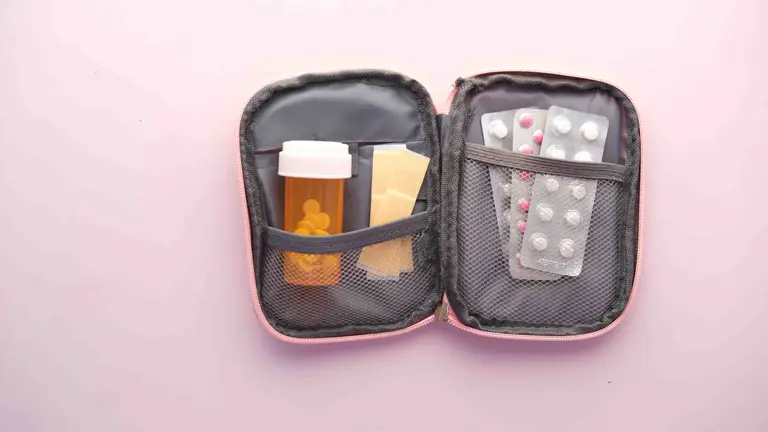
Key takeaways
- A good travel health kit covers the problems you are most likely to hit on the road: motion sickness, traveller's diarrhoea and dehydration, plus sun and insect protection. Pack a motion sickness option (hyoscine tablets such as Kwells, or an antihistamine type such as dimenhydrinate), an oral rehydration solution like Hydralyte, loperamide (Imodium) for uncomplicated adult diarrhoea, and the everyday basics — paracetamol or ibuprofen, antiseptic, plasters and any regular medicines. Buy before you go, keep everything in original packaging with labels, and know the red flags that mean it is time to see a doctor rather than self-treat.
The short answer For most Australian travellers, a practical over-the-counter travel health kit contains: a motion sickness tablet (hyoscine hydrobromide, such as Kwells, or an antihistamine type such as dimenhydrinate in Travacalm); an oral rehydration solution such as Hydralyte to replace fluid and electrolytes lost through diarrhoea, vomiting or heat; loperamide (Imodium) to slow uncomplicated diarrhoea in adults; a general pain reliever such as paracetamol or ibuprofen; antiseptic, plasters and a basic wound dressing; a broad-spectrum SPF 50+ sunscreen; and an insect repellent containing DEET or picaridin. Buy everything before you travel, keep it in original labelled packaging for customs and airport security, and carry any regular prescription medicines in your hand luggage. Always read the label and follow the directions for use, and see a doctor if symptoms are severe or do not settle.
Why Pack a Travel Health Kit?
The medicines you rely on at home are not always easy to find overseas — brand names differ, packaging is in another language, some familiar products are prescription-only in other countries, and pharmacy hours can be limited. A small, well-chosen kit lets you manage minor problems without hunting for a chemist in an unfamiliar place. Traveller's diarrhoea alone affects a large share of people visiting developing regions, usually in the first week, so rehydration and anti-diarrhoeal options earn their space. Buy everything before you leave, keep it in the original labelled packaging so it clears customs and airport security cleanly, and carry regular prescription medicines in your hand luggage with a copy of the script or a letter from your GP.
Check the rules before you fly Some medicines that are freely available in Australia are restricted or banned in other countries — codeine-containing products and some cold-and-flu tablets are common examples. Check the entry requirements for your destination (Smartraveller and the destination's embassy are good starting points) well before departure, and keep medicines in their original packaging with the pharmacy label attached.
Motion Sickness: Preventing Travel Sickness
Motion sickness happens when the movement your inner ear senses does not match what your eyes see — on boats, planes, winding roads and trains. The two main over-the-counter tablet options work in different ways, and both are most effective when taken before you travel rather than once you already feel unwell.
Hyoscine (Kwells-type) tablets
Hyoscine hydrobromide (the active ingredient in Kwells and Kwells Kids) is an anticholinergic that calms the signals from the inner ear to the brain. It works quickly, which makes it useful for shorter trips, and small tablets can be dissolved in the mouth. Take it before travel as directed on the label. Common side effects include a dry mouth, blurred vision and drowsiness. It is not suitable for everyone — people with glaucoma, an enlarged prostate or some heart conditions should check with a pharmacist first — so ask for advice if you have an ongoing health condition or take other medicines.
Antihistamine tablets (dimenhydrinate and similar)
Sedating antihistamines such as dimenhydrinate (in Travacalm Original) and promethazine also reduce the inner-ear signals that trigger nausea. They tend to last longer than hyoscine, which suits longer journeys, but drowsiness is common — an issue if you need to drive or stay alert on arrival. Because these tablets are themselves antihistamines, taking them alongside a separate antihistamine (for hay fever, for example) can add up to excessive drowsiness and dry mouth. Take as directed and avoid alcohol, which increases the sedating effect.
Travel sickness bands
Acupressure wristbands (such as Sea-Band) apply pressure to a point on the inner wrist and are drug-free, reusable and safe to combine with tablets. The clinical evidence is mixed, but because they carry no risk of drowsiness or drug interactions they suit people who cannot take the tablets, including some who are pregnant — though pregnancy is always a case for checking with a pharmacist or GP first. Simple measures help too: sit over the wing on a plane or midship on a boat, face forward, fix your eyes on the horizon, and get fresh air.
Traveller's Diarrhoea: Rehydration First
Traveller's diarrhoea is usually caused by food or water contaminated with bacteria, and for most healthy adults it settles within a few days. The single most important step is replacing the fluid and salts you lose — dehydration, not the diarrhoea itself, is what makes people seriously unwell. Plain water alone does not replace lost electrolytes well, and sugary soft drinks can make things worse, which is why an oral rehydration solution is the priority in your kit.
Oral rehydration solutions
Oral rehydration solutions such as Hydralyte contain a balanced mix of glucose and electrolytes (sodium and potassium) in the ratio that helps the gut absorb water most efficiently. They come as sachets, effervescent tablets and ready-to-drink liquids or ice blocks — the sachets and tablets pack flat and only need clean water to make up, which makes them ideal for travel. Sip small amounts often rather than drinking large volumes at once, especially if you are also feeling nauseated. Rehydration solutions are suitable for both adults and children, though young children who are unwell should be assessed by a doctor.
Hydralyte Electrolyte Solution
Oral rehydration solution for rapid rehydration during diarrhoea, vomiting, fever, and heavy sweating. TGA listed.
Where to buy · Hydralyte Electrolyte Solution
Amazon AustraliaView
We may earn a commission from these links. It never affects our rankings.
Loperamide (Imodium) for uncomplicated cases
Loperamide (the active ingredient in Imodium) slows down the gut so stools become firmer and less frequent. For a healthy adult with straightforward, watery traveller's diarrhoea — no fever and no blood — it can provide useful relief, for example on a long travel day. Take it as directed on the label, typically after each loose stool up to the stated daily maximum, and always alongside rehydration rather than instead of it. Loperamide is not suitable for children except on medical advice, and should be avoided if there is a high fever or blood or mucus in the stool, because slowing the gut can be harmful when a more serious infection is present.
Imodium Capsules (Loperamide 2mg)
Fast-acting relief from diarrhoea. Slows gut motility to reduce frequency of loose bowel motions.
Where to buy · Imodium Capsules (Loperamide 2mg)
Amazon AustraliaView
We may earn a commission from these links. It never affects our rankings.
When to see a doctor Stop self-treating and seek medical care if any of these apply:
- A high fever, or blood or mucus in the stool
- Severe or persistent abdominal pain
- Signs of dehydration — dizziness, very dark or little urine, marked weakness or confusion
- Diarrhoea that lasts more than about 48 hours in an adult, or is not improving
- Diarrhoea in a young child, an elderly traveller, someone pregnant, or anyone with a weakened immune system or chronic illness
- Symptoms that begin or persist after returning home from a malaria-risk or tropical region
Sun and Insect Protection Basics
Sunburn and insect bites are easy to overlook until they ruin a trip. Pack a broad-spectrum SPF 50+ sunscreen and reapply every two hours and after swimming or sweating — UV levels near the equator, on water and at altitude can be far higher than you are used to. For insects, a repellent containing DEET or picaridin is the most effective choice, and in regions with malaria, dengue or Zika, bite avoidance matters: cover up at dawn and dusk, use repellent on exposed skin, and consider a treated bed net. A hydrocortisone 1% cream or an antihistamine can ease the bites you do get. If you are heading to a malaria-risk area, see your GP or a travel clinic well ahead of time about antimalarial tablets and vaccinations.
Travel Health Kit Checklist
Use this as a starting point and tailor it to your destination, trip length and who you are travelling with. Keep quantities modest — enough to manage a problem until you can reach a pharmacy or doctor.
| Item | What it's for | Notes |
|---|---|---|
| Motion sickness tablets | Nausea from boats, planes, cars, buses | Hyoscine (Kwells) for short trips; antihistamine type (Travacalm) for longer ones — take before travel |
| Travel sickness bands | Drug-free nausea option | Reusable; safe with tablets and useful if you can't take them |
| Oral rehydration sachets | Replacing fluid and electrolytes | Hydralyte or similar; pack flat, add clean water, sip often |
| Loperamide (Imodium) | Slowing uncomplicated adult diarrhoea | Skip if fever or blood in stool; use with rehydration, not instead of it |
| Pain and fever relief | Headache, aches, fever | Paracetamol or ibuprofen; check which suits you |
| Antiseptic, plasters, dressings | Minor cuts, blisters, grazes | Add tweezers and a small roll of tape |
| SPF 50+ sunscreen | Sunburn prevention | Broad-spectrum; reapply every 2 hours |
| Insect repellent | Bite prevention | DEET or picaridin; essential in mosquito-borne disease areas |
| Anti-itch cream | Bites, stings, minor rashes | Hydrocortisone 1% or an antihistamine |
| Regular prescription medicines | Your ongoing conditions | Carry in hand luggage with a copy of the script; take extra in case of delays |
Ask your pharmacist to help you pack A pharmacist can tailor your kit to your destination and health needs in a few minutes — including whether hyoscine or an antihistamine motion sickness tablet suits you better, and how any travel medicines interact with your regular ones. It is worth a quick visit a week or two before you fly.
Frequently Asked Questions
What should be in a travel medical kit?
A practical over-the-counter kit for Australian travellers covers the most common problems: a motion sickness tablet (hyoscine such as Kwells, or an antihistamine type such as dimenhydrinate), an oral rehydration solution such as Hydralyte, loperamide (Imodium) for uncomplicated adult diarrhoea, a general pain reliever such as paracetamol or ibuprofen, antiseptic and plasters, SPF 50+ sunscreen, and an insect repellent with DEET or picaridin. Add any regular prescription medicines in your hand luggage, plus an anti-itch cream and a basic wound dressing. Tailor quantities to your trip length and destination.
How do you prevent traveller's diarrhoea?
The mainstay is care with food and water: drink bottled or properly treated water, avoid ice of uncertain origin, eat food freshly cooked and served hot, peel fruit yourself, and be cautious with salads, unpasteurised dairy and street food left sitting out. Wash your hands or use an alcohol-based sanitiser before eating. These steps reduce the risk but do not remove it, which is why packing an oral rehydration solution and loperamide is sensible. Routine antibiotics to prevent diarrhoea are generally not recommended — discuss your trip with a GP or travel clinic if you have concerns.
Can I take motion sickness tablets with antihistamines?
Take care here. Many motion sickness tablets — including dimenhydrinate and promethazine — are themselves sedating antihistamines. Taking one of these together with a separate antihistamine, such as a hay fever tablet, can add up to excessive drowsiness, dry mouth and blurred vision. Hyoscine (Kwells) is not an antihistamine but is anticholinergic, so combining it with sedating antihistamines can also increase side effects. If you need both, or you already take other medicines, ask a pharmacist which combination is safe for you before you travel.
Kwells or Travacalm — which motion sickness tablet is better?
It depends on the trip. Kwells (hyoscine hydrobromide) acts quickly and is often preferred for shorter journeys, while Travacalm Original (dimenhydrinate) lasts longer, which can suit longer trips — both cause drowsiness in many people. There is no single best choice for everyone; suitability depends on your health, other medicines and how you respond. Whichever you choose, take it before you travel rather than once you already feel sick, and ask a pharmacist if you have glaucoma, prostate problems, heart conditions, or you are pregnant or breastfeeding.
Is Imodium or Gastro-Stop good for traveller's diarrhoea?
Both Imodium and Gastro-Stop contain the same active ingredient, loperamide, which slows the gut to reduce loose, frequent stools. For a healthy adult with straightforward watery diarrhoea and no fever or blood, loperamide can give useful relief. Use it alongside an oral rehydration solution, not instead of it, and avoid it if you have a high fever or blood or mucus in your stool. It is not for young children except on medical advice. Read the label and follow the dosing directions.
Can I fly with medicines in my carry-on?
Yes — keep essential and regular medicines in your hand luggage so they are with you if checked bags are delayed. Keep everything in its original packaging with the pharmacy label, and carry a copy of your prescription or a GP letter for prescription items, which also helps at customs. Liquids over 100mL may be allowed for medical needs, but declare them at security. Because some medicines that are legal in Australia are restricted overseas, check your destination's entry rules (Smartraveller is a good start) before you fly.
Disclaimer This article is for informational purposes only and does not constitute medical advice. Always read the label and follow the directions for use. If symptoms persist, talk to your health professional. See your pharmacist or GP for advice tailored to your situation.
The verdict
The best travel health kit is a small, deliberate one: a motion sickness option that suits your trip, an oral rehydration solution such as Hydralyte, loperamide (Imodium) for uncomplicated adult diarrhoea, everyday pain relief, and sun and insect protection. Buy it before you go, keep everything in labelled original packaging, pack regular medicines in your hand luggage, and see a doctor if symptoms are severe or do not settle. For a kit matched to your destination and health, ask your pharmacist before you fly.
Related health topics
Medical disclaimer
This information is general in nature and isn’t a substitute for professional medical advice. Always read the label and follow the directions for use. Talk to your pharmacist or doctor about what’s right for you.
More Digestive health guides
Digestive health9 min read
Gastro & Diarrhoea Relief for Adults: An Australian Self-Care Guide
Gastro and diarrhoea hit fast. Here is the adult self-care that actually works: rehydration first, when loperamide helps (and when it harms), plus red flags.
Skin, wound & sun care15 min read
First Aid Kit Essentials for Australia (2026 Guide)
Everything your Australian home, car, or outdoor kit needs — from St John and Trafalgar picks to AU-specific extras like compression bandages and burn gel.
Skin, wound & sun care4 min read
Insect Bites & Stings: Treatment & Prevention Guide (Australia)
How to treat and prevent everyday mosquito, sandfly and ant bites in Australia — repellents that work, itch relief options, and infection warning signs.