Guide
Conjunctivitis Treatment in Australia: Types & Care
Work out which type of conjunctivitis you have — viral, bacterial or allergic — so you can match the right relief and know when to see a pharmacist or GP.

Key takeaways
- Conjunctivitis (pink eye) comes in three main types — viral, bacterial and allergic — and the right approach depends on which one you have. Viral conjunctivitis is the most common and usually settles on its own with hygiene and lubricating drops. Bacterial cases may need chloramphenicol drops, which a pharmacist can supply to adults without a prescription. Allergic conjunctivitis responds to antihistamine drops and avoiding triggers. See a GP or optometrist urgently for eye pain, vision changes, light sensitivity, a newborn, or a contact-lens wearer.
The short answer Conjunctivitis treatment in Australia depends entirely on the cause. Viral conjunctivitis is the most common type and is self-limiting — it typically clears in one to two weeks with strict hygiene, cool compresses and lubricating (artificial tear) drops, and antibiotics do nothing for it. Bacterial conjunctivitis, which tends to produce thick, sticky yellow-green discharge, may be managed with chloramphenicol antibiotic eye drops; in Australia chloramphenicol is a Pharmacist-Only (Schedule 3) medicine that a pharmacist can supply to adults after a short consultation, without a prescription. Allergic conjunctivitis — itchy, watery, usually both eyes, often alongside hay fever — is relieved with antihistamine eye drops and avoiding the trigger. Because the types can look alike, see a GP or optometrist if you have eye pain, blurred vision, light sensitivity, a newborn with a red eye, or if you wear contact lenses.
What Is Conjunctivitis (Pink Eye)?
Conjunctivitis is inflammation of the conjunctiva — the thin, clear membrane that covers the white of your eye and lines the inside of your eyelids. When it becomes irritated or infected, the tiny blood vessels in it swell, giving the eye its characteristic red or pink appearance. That is why conjunctivitis is commonly known as 'pink eye'. It is one of the most common eye complaints seen in Australian pharmacies and general practice, and while it looks alarming, most cases are mild and clear without lasting harm.
The key point is that conjunctivitis is a symptom pattern, not a single disease. It has several causes, and the right response depends on the cause. The three main types are viral, bacterial and allergic. Getting the type right matters because the treatments are different — antibiotic drops help a bacterial infection but are useless against a virus or an allergy, and antihistamine drops relieve an allergy but do nothing for an infection.
The Three Types and How to Tell Them Apart
No single sign is definitive, and even doctors can find the types hard to distinguish, but the pattern of discharge, itch and how many eyes are affected offers useful clues. Use the table below as a guide, not a diagnosis.
| Feature | Viral | Bacterial | Allergic |
|---|---|---|---|
| Discharge | Watery, clear | Thick, sticky, yellow-green | Watery, stringy |
| Itch | Mild | Mild | Intense (the standout sign) |
| Eyes affected | Often starts in one, may spread to both | Often one, can spread to both | Usually both at once |
| Other clues | Recent cold; eyes may feel gritty | Lids stuck together on waking | Hay fever, sneezing, known trigger |
| Contagious? | Yes, highly | Yes | No |
Viral conjunctivitis is the most common form of infectious conjunctivitis and is frequently linked to the same adenoviruses that cause colds — which is why it often appears alongside or just after a cold. Allergic conjunctivitis is not contagious at all; it is your immune system reacting to pollen, dust mites, pet dander or cosmetics. If itch is the dominant symptom and both eyes are affected together, allergy is the most likely explanation.
Managing Viral Conjunctivitis
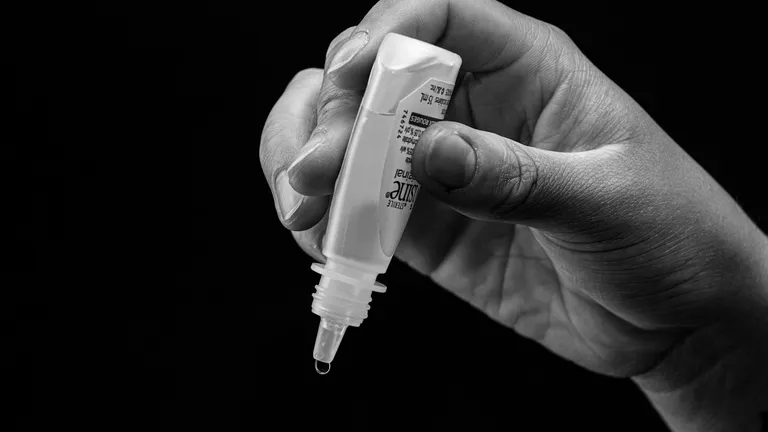
Viral conjunctivitis is self-limiting, meaning it resolves on its own — usually within one to two weeks — without specific medication. There is no antibiotic or antiviral for the common adenoviral form; care is about easing symptoms and preventing spread while your body clears the virus. Cool compresses (a clean, damp flannel over closed eyes) can soothe irritation and reduce puffiness, and lubricating 'artificial tear' drops help relieve the gritty, dry feeling. Preservative-free lubricant drops such as Systane are widely available over the counter in Australian pharmacies and supermarkets.
Systane Lubricant Eye Drops
Lubricating eye drops for relief of dry, irritated eyes. Helps flush allergens and provides soothing moisture. Available in preservative-free single-dose units.
Where to buy · Systane Lubricant Eye Drops
Amazon AustraliaView
We may earn a commission from these links. It never affects our rankings.
The 'rule of 8' Clinicians sometimes describe adenoviral conjunctivitis using the 'rule of 8' — roughly 8 days of an infectious red eye, followed by a further week or so of the immune response settling. In practical terms it means viral pink eye can drag on for two weeks or more, and it stays contagious for much of that time. Persistence alone is not a reason to demand antibiotics, but if things are worsening rather than slowly improving, get it checked.
Managing Bacterial Conjunctivitis
Bacterial conjunctivitis classically produces thick, sticky yellow-green discharge, and eyelids that are crusted or glued shut after sleep. Many mild bacterial cases actually clear on their own within a week, but antibiotic eye drops can speed things up and reduce how long you are contagious. In Australia the usual first choice is chloramphenicol — sold under brand names such as Chlorsig — which has been available as a Pharmacist-Only (Schedule 3) medicine since 1 May 2010. That means a pharmacist can supply it to adults, and to older children, after a short consultation without a prescription. Because it is dispensed after that consultation rather than sitting on the open shelf, we have not linked a product card here — ask your pharmacist.
Follow the directions carefully: chloramphenicol drops are typically applied frequently for the first day or two and then several times daily, and it is important to keep using them for the full recommended course even once the eye looks better, to reduce the chance of the infection returning. Do not share the bottle, and discard it as directed after the course. A pharmacist will also ask screening questions first, because chloramphenicol is not suitable for everyone.
Managing Allergic Conjunctivitis
Allergic conjunctivitis is driven by the same process as hay fever, so it often flares in spring and summer and frequently comes with sneezing and a runny nose. The most effective step is avoiding the trigger where you can — staying indoors on high-pollen days, washing pollen off your face and hands, and not rubbing your eyes (rubbing releases more histamine and makes the itch worse). For symptom relief, antihistamine eye drops such as Zaditen (ketotifen) can help relieve the itch, redness and watering, and many are available over the counter. Cool compresses and lubricating drops help here too, by physically flushing allergen from the eye surface.
Zaditen Eye Drops (Ketotifen)
Antihistamine eye drops for relief and prevention of itchy eyes due to hay fever and allergies. Provides up to 12 hours of relief.
Where to buy · Zaditen Eye Drops (Ketotifen)
Amazon AustraliaView
We may earn a commission from these links. It never affects our rankings.
Oral antihistamine tablets (the non-drowsy types used for hay fever) may also help, particularly when your nose and eyes are both affected. If your allergic eye symptoms are severe, persistent, or not controlled by over-the-counter options, a GP or optometrist can discuss stronger prescription treatments. Ask your pharmacist which drops suit you, especially if you wear contact lenses or already use other eye medicines.
Stopping the Spread: Hygiene Matters
Viral and bacterial conjunctivitis are both highly contagious and spread easily through hands, shared towels and surfaces. Strict hygiene protects the people around you and stops you re-infecting your other eye. These simple habits make a real difference:
- Wash your hands often with soap and water, especially before and after touching your eyes or applying drops.
- Wipe away discharge with a fresh cotton pad each time, moving from the inner to the outer corner, and use a separate pad for each eye.
- Do not share towels, face washers, pillowcases, eye drops or eye make-up while symptoms last.
- Avoid touching or rubbing your eyes, and try not to touch the dropper tip to your eye or lashes.
- Stop wearing contact lenses until the eye is completely better, and discard lenses, solution and the case that were in use when symptoms began.
- Replace any eye cosmetics used around the time symptoms started, as they can harbour bacteria.
Many childcare centres and schools ask children with infectious conjunctivitis to stay home until any discharge has cleared, so check your centre's exclusion policy. Adults with a discharging eye should also consider staying away from work where close contact is unavoidable, at least until the weeping settles.
When to see a GP or optometrist urgently Conjunctivitis is usually minor, but some red-eye symptoms can signal a more serious eye problem that needs prompt assessment. Seek medical advice without delay if you or your child has any of the following:
- Moderate or severe eye pain (not just irritation or grittiness)
- Blurred vision or any loss of vision
- Increased sensitivity to light (photophobia)
- A newborn or baby under two years old with a red, weepy eye
- You wear contact lenses and develop a red, painful eye — remove the lenses and get it checked, as contact-lens wearers are at higher risk of sight-threatening infection
- Intense redness concentrated around the coloured part of the eye, or symptoms that are getting worse rather than better after several days
Can a Pharmacist Help, or Do You Need a GP?
For most straightforward cases, your local pharmacist is an excellent and accessible first stop. They can help you work out the likely type, recommend lubricating or antihistamine drops for the counter, and — for suspected mild bacterial conjunctivitis in adults — supply chloramphenicol after a consultation. They will also tell you when something needs a doctor instead. A GP or optometrist is the right choice when red-flag symptoms are present, when a young child is affected, when you wear contact lenses, or when the problem is not improving as expected. Optometrists are especially well placed to examine the eye itself if there is any doubt.
FAQ
Can you get conjunctivitis treatment over the counter in Australia?
Partly. Lubricating (artificial tear) drops for viral irritation and antihistamine eye drops for allergic conjunctivitis are sold over the counter in Australian pharmacies and supermarkets. Chloramphenicol antibiotic drops for bacterial conjunctivitis are a Pharmacist-Only (Schedule 3) medicine — you do not need a prescription, but a pharmacist must supply them after a brief consultation rather than you picking them off the shelf. If you are unsure which type you have, ask the pharmacist to help you decide before buying anything.
What is the fastest way to relieve conjunctivitis?
There is no instant fix, because the sensible approach depends on the cause. For viral pink eye, cool compresses, lubricating drops and rest ease symptoms while it runs its course over one to two weeks. For bacterial conjunctivitis, pharmacist-supplied chloramphenicol drops may shorten the episode and reduce how long you are contagious. For allergic conjunctivitis, removing the trigger and using antihistamine drops usually brings the quickest relief. Good hygiene throughout stops it dragging on by re-infecting your other eye.
Do you need to go to the doctor for conjunctivitis?
Often not — many cases are mild and can be managed with pharmacist advice and over-the-counter or Pharmacist-Only drops. You should see a GP or optometrist, though, if there is eye pain, blurred or reduced vision, light sensitivity, a baby under two with a red eye, if you wear contact lenses, or if symptoms are worsening or not improving after a few days. When in doubt, get the eye examined.
Can a chemist give treatment for conjunctivitis?
Yes. A pharmacist can recommend lubricating drops for viral cases and antihistamine drops for allergic cases, and can supply chloramphenicol antibiotic drops to adults for suspected mild bacterial conjunctivitis without a prescription, after asking a few screening questions. They will refer you to a GP or optometrist if your symptoms suggest something more serious or if the treatment is not suitable for you.
What is the 'rule of 8' for viral conjunctivitis?
The 'rule of 8' is a rough clinical rule of thumb for adenoviral conjunctivitis: around 8 days of an infectious red eye, then roughly another week to two weeks for the inflammation to settle. It is a reminder that viral pink eye can be slow to clear and stays contagious for much of that time, so persistence by itself is not a reason to expect antibiotics. If symptoms are getting worse rather than gradually better, have the eye checked.
Can I go to work or school with conjunctivitis?
Infectious (viral or bacterial) conjunctivitis spreads easily, so it is courteous — and often required — to stay home while the eye is weeping or producing discharge. Many childcare centres and schools have exclusion policies until discharge has cleared, so check yours. Allergic conjunctivitis is not contagious, so there is no need to stay away on that basis, though your symptoms may still be uncomfortable. Practising strict hand hygiene reduces the risk of passing an infection on to others.
Disclaimer This article is for informational purposes only and does not constitute medical advice. Always read the label and follow the directions for use. If symptoms persist, talk to your health professional. See your pharmacist or GP for advice tailored to your situation.
The verdict
Start by working out which type of conjunctivitis you are dealing with, because that decides everything else. Viral pink eye — the most common — is managed with hygiene, cool compresses and lubricating drops while it clears over one to two weeks. Suspected bacterial cases may benefit from chloramphenicol drops, which a pharmacist can supply to adults without a prescription. Allergic conjunctivitis responds to avoiding the trigger and using antihistamine drops. Whichever type you have, keep your hands and towels scrupulously clean, and see a GP or optometrist promptly for eye pain, vision changes, light sensitivity, a newborn, a contact-lens wearer, or an eye that is not improving.
Related health topics
Medical disclaimer
This information is general in nature and isn’t a substitute for professional medical advice. Always read the label and follow the directions for use. Talk to your pharmacist or doctor about what’s right for you.
More Eye, ear & nose guides
Allergy & hayfever12 min read
Best Allergy Eye Drops Australia (2026): Naphcon-A, Zaditen & Cromo-Fresh
Itchy, red, watery eyes from hay fever? Compare Naphcon-A, Zaditen and Cromo-Fresh eye drops — how they work, how fast they act, and which suits your situation.

Allergy & hayfever14 min read
Best Antihistamine Australia: Zyrtec vs Telfast vs Claratyne (2026)
Zyrtec vs Telfast vs Claratyne? We compare cetirizine, fexofenadine, and loratadine on drowsiness, onset, price, and which may help relieve your symptoms.

Pain relief12 min read
How to Get Rid of a Headache: Types, Causes & OTC Relief
Tension, migraine, sinus or cluster — identify your headache type and find the best OTC relief available at Australian pharmacies, plus the red flags that mean see a GP.