Guide
Spider & Snake Bite First Aid: What to Do (Australia)
Redback, funnel-web and snake bite first aid for Australia: the pressure-immobilisation technique, what never to do, and when to call 000.
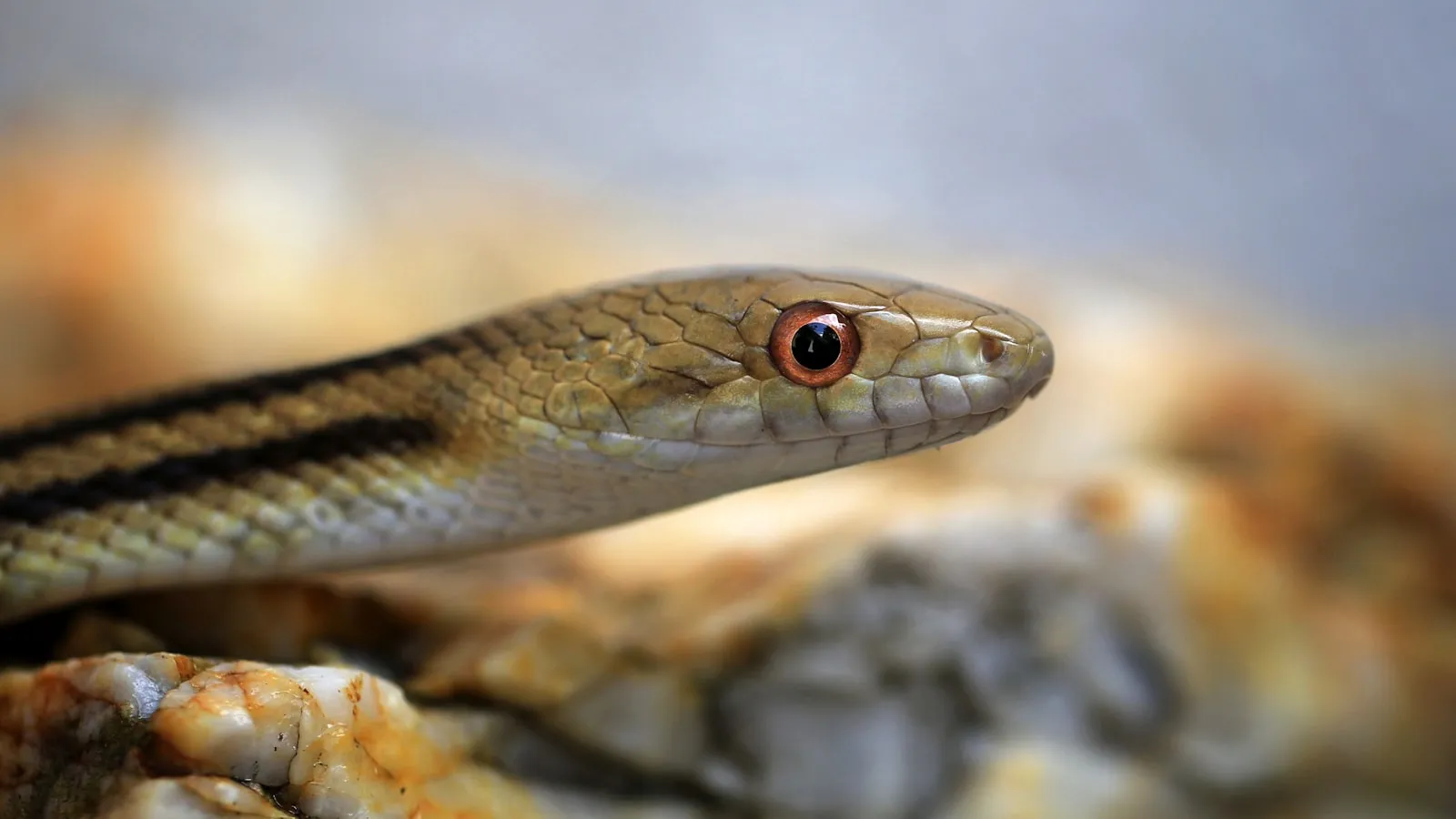
Key takeaways
- Most Australian spider bites are painful but not dangerous. The exceptions — redback, funnel-web and mouse spiders — and every suspected snake bite need urgent medical care. Snake, funnel-web and mouse-spider bites need the pressure-immobilisation technique and a 000 call; redback bites need a cold pack and a trip to hospital, not a bandage. Never wash, cut or suck a bite, and never apply a tourniquet.
Call 000 immediately for any suspected snake, funnel-web or mouse-spider bite Do not wait to see how bad it gets — call Triple Zero (000) straight away for any of the following. For a snake bite or a suspected funnel-web or mouse-spider bite, also apply the pressure-immobilisation technique (below). For a known redback bite, do the opposite: use a cold pack and get urgent medical care, never a pressure bandage.
- A snake bite of any kind, even if you did not see the snake or the bite looks minor
- A suspected funnel-web spider bite (a large, dark, glossy spider, usually in NSW, ACT or parts of Queensland, Victoria or Tasmania)
- A suspected mouse-spider bite (a large, dark, stocky spider often mistaken for a funnel-web) — treat it the same as a funnel-web bite, without waiting for symptoms
- Severe or rapidly spreading pain, sweating, nausea, vomiting, difficulty breathing, drooping eyelids, or muscle weakness after any bite
- Signs of a severe allergic reaction (anaphylaxis): swelling of the face, lips or tongue, difficulty breathing, widespread hives, dizziness or collapse
Quick answer For a snake bite or a suspected funnel-web or mouse-spider bite: call 000, keep the person completely still, and apply a firm pressure-immobilisation bandage over the bite and up the whole limb, then splint it. Do not wash, cut or suck the bite, and do not use a tourniquet. For a redback spider bite, do the opposite — apply a cold pack (not a pressure bandage) and get to a hospital or call 000 if pain is severe. Most other Australian spiders, including white-tailed and huntsman spiders, cause only minor local pain that settles with a cold pack and simple pain relief.
Redback Spider Bites
The redback spider (Latrodectus hasselti) is found across Australia, often around sheds, letterboxes, outdoor furniture and garden woodpiles. The female is the one to worry about — glossy black with a distinctive red or orange stripe on her back. A bite causes an immediate sharp pain that, unlike most insect bites, tends to get worse over the following 30–60 minutes rather than settling down. Pain can spread from the bite site to the whole limb, and may be followed by sweating (sometimes just at the bite site), nausea, headache, and general malaise. This pattern of symptoms is called latrodectism.
- Apply a cold pack or ice wrapped in a cloth to the bite for pain relief — this is the correct first aid for a redback bite.
- Do NOT apply a pressure-immobilisation bandage. Redback venom is a large molecule that moves slowly through the lymphatic system, so restricting the limb does not stop it spreading and may make the pain worse.
- Take the person to a hospital emergency department or call 000 if pain is severe, spreading widely, or accompanied by sweating, nausea or feeling unwell — antivenom is available and can be given if needed.
- Simple pain relief such as paracetamol can help while you arrange medical review; check the label and avoid products you cannot take.
What does a redback bite look like? There is often very little to see — perhaps one or two tiny puncture marks and mild local redness. The bite is usually identified by the pain pattern (increasing rather than settling) rather than by how it looks. If you can safely capture the spider (without further risk of bites) for identification, that helps, but never delay seeking care to do so.
Funnel-Web Spider Bites: A Medical Emergency
Funnel-web spiders are large, dark, glossy spiders found mainly in New South Wales and the ACT, with related species in parts of Queensland, Victoria and Tasmania. They are considered among the most dangerous spiders in the world, and a bite from a male funnel-web can cause severe, rapidly progressing venom effects: intense pain at the bite site, followed within minutes to hours by sweating, salivation, muscle twitching, nausea and vomiting, and in severe cases, breathing difficulty and collapse. Because symptoms can escalate quickly, every suspected funnel-web bite is treated as a medical emergency, even if the person feels fine at first.
Funnel-web bites need the pressure-immobilisation technique Unlike redback bites, a suspected funnel-web spider bite is treated the same way as a snake bite: call 000 immediately and apply a pressure-immobilisation bandage over the bite, then up the whole limb, followed by a splint to keep it still. This slows the spread of venom through the lymphatic system until antivenom can be given in hospital.
White-Tailed, Huntsman and Other Common Spiders
Most spider bites in Australia — including from white-tailed spiders and huntsman spiders — cause only a sharp, momentary pain, mild swelling and redness that settles within a few hours to a couple of days, much like a bee sting. A cold pack, simple pain relief and keeping the area clean is usually all that is needed. The mouse spider is the exception here: its venom can be as serious as a funnel-web's, so treat any suspected mouse-spider bite as a medical emergency from the outset — call 000 and apply pressure-immobilisation straight away, without waiting to see whether symptoms develop.
White-tailed spiders have a persistent reputation for causing flesh-eating ulcers (necrotic arachnidism). Large Australian case-series and toxinology reviews have not supported this link — necrotic skin ulcers that were once blamed on white-tailed spider bites are now understood to usually have other causes, such as bacterial infection. That does not mean a white-tailed bite cannot hurt or become locally infected; it means the necrosis myth specifically is not well supported by the evidence. Watch any bite for the general signs of infection below rather than assuming the worst about a particular spider.
| Spider | Typical bite | First aid |
|---|---|---|
| Redback | Sharp pain that worsens over 30–60 min; may spread with sweating, nausea | Cold pack, then hospital/000 if pain is severe or spreading. No pressure bandage. |
| Funnel-web | Immediate severe pain, can progress quickly to sweating, muscle twitching, breathing difficulty | 000 immediately. Pressure-immobilisation bandage and splint, same as a snake bite. |
| White-tailed | Sharp local pain, redness, mild swelling; necrosis link not well supported by evidence | Cold pack, clean the area, simple pain relief. See a doctor if it looks infected. |
| Huntsman | Startling but generally mild — local pain and redness only | Cold pack and pain relief if needed. Rarely needs medical review. |
| Mouse spider | Looks similar to a funnel-web and its venom can be just as serious; bites are uncommon but potentially significant | Treat every suspected bite as a funnel-web/snake bite immediately: call 000 and apply pressure-immobilisation — do not wait for symptoms. |
Snake Bites: What You Must NOT Do
Australia has some of the most venomous snakes in the world, including brown snakes, tiger snakes, taipans and death adders, and bites can occur even from species people assume are harmless. Bites are not always obvious — there may be no pain at first, and puncture marks can be tiny or absent. Treat any suspected snake bite as venomous and call 000, even if the person feels well.
- Do NOT wash the bite site. Doctors use a swab of the skin to identify the snake venom involved with a venom detection kit, which guides the right antivenom. Washing removes this evidence.
- Do NOT cut the bite or try to suck out the venom. This does not remove venom, delays proper first aid, and risks infection.
- Do NOT apply a tourniquet. Cutting off blood flow entirely can damage the limb and does not reliably stop venom spread — pressure-immobilisation is the correct technique instead.
- Do NOT try to catch, kill or identify the snake. This wastes time and risks a second bite; hospital venom detection kits identify the venom type from the bite site instead.
- Do NOT let the person walk, run or move around. Movement pumps venom through the lymphatic system faster. Keep them still and bring transport to them if possible.
- Do NOT elevate the bitten limb. Keep it at or below heart level and as still as possible.
The Pressure-Immobilisation Technique, Step by Step
Pressure-immobilisation is the first aid technique recommended across Australia for snake bites and suspected funnel-web spider bites. It uses firm, even pressure and complete immobilisation to slow the movement of venom from the bite site into the bloodstream, buying time until the person reaches hospital and antivenom, if needed.
- Call 000 first, or send someone else to call while you start first aid.
- Keep the person completely still and calm — reassurance helps, as anxiety and movement both speed venom spread.
- Apply a broad, heavy crepe bandage directly over the bite site first, firmly (about as tight as you would for a sprained ankle), without cutting off circulation.
- Continue wrapping the bandage up the limb, covering as much of the limb as possible, starting from the fingers or toes and working towards the body if you have enough bandage — the goal is to compress the whole limb, not just the bite.
- Splint the limb (a stick, rolled newspaper or piece of wood works) to keep it completely immobile, then bind the splint in place.
- Keep the bitten limb at or below the level of the heart, and do not let the person walk. Carry them or bring a vehicle to them.
- Note the time of the bite and mark the bandage location if possible — this helps the treating hospital team.
- Leave the bandage and splint in place until the person is in an emergency department and medical staff decide it is safe to remove them.
Building a snake bite first aid kit If you spend time in bushland, rural areas or anywhere snakes are common, keep at least two broad heavy crepe bandages (roughly 10–15cm wide) in your first aid kit, along with something to use as a splint. A standard household crepe bandage works, but heavier, wider bandages are easier to apply firmly and cover more of the limb.
Heavy Crepe Snake Bite Bandage (10cm)
Heavy-weight crepe bandage designed for pressure immobilisation technique in snake bite first aid. Essential for Australian outdoor and rural first aid kits.
Where to buy · Heavy Crepe Snake Bite Bandage (10cm)
Amazon AustraliaView
We may earn a commission from these links. It never affects our rankings.
Preventing Spider and Snake Bites
- Wear enclosed shoes, thick socks and long trousers when walking through long grass, bushland or gardens, especially in warmer months when snakes are more active.
- Wear gloves when gardening, moving woodpiles, garden furniture, or clearing sheds — classic redback territory.
- Never put your hands or feet into places you cannot see, such as under rocks, logs, letterboxes or storage boxes.
- If you see a snake, stay still or back away slowly. Do not try to move, catch, or kill it — most bites happen when people try to handle or corner a snake.
- Keep your yard tidy: clear woodpiles, long grass and rubbish where spiders and snakes like to shelter, and check outdoor shoes and clothing before putting them on.
- Know the pressure-immobilisation technique and keep bandages in your first aid kit before you need them, not after.
Frequently Asked Questions
What does a redback spider bite look like?
Often not much — you might see one or two tiny puncture marks and mild local redness, but nothing dramatic. The giveaway is the pain pattern: sharp pain at the bite that gets worse over the next 30 to 60 minutes rather than settling, sometimes with sweating, nausea or spreading pain. Apply a cold pack and seek medical care rather than relying on how the bite looks.
Should you suck out snake venom or cut the bite?
No. Cutting the bite or trying to suck out venom does not remove it, wastes valuable time, and can introduce infection. It is an outdated idea with no place in modern first aid. The correct response is the pressure-immobilisation technique and an immediate call to 000.
How long do you have after a snake bite?
This varies hugely by snake species, the amount of venom injected, and the person's size, and it is not something to guess at. Some venom effects can develop within minutes; others take hours to become obvious, which is exactly why every suspected bite is treated as an emergency even if the person feels fine. Applying pressure-immobilisation immediately and calling 000 gives the best chance of a good outcome, whatever the timeline turns out to be.
Is a white-tailed spider bite dangerous?
For most people, no — it causes a sharp local pain and mild swelling that settles on its own, similar to a bee sting. The old idea that white-tailed spider bites cause flesh-eating skin ulcers is not well supported by current evidence; those ulcers are now generally understood to have other causes, most often infection. Still, keep an eye on any bite and see a doctor if it becomes increasingly red, hot, swollen or starts weeping.
Should I use a pressure bandage for a redback bite?
No — this is the one exception to remember. Pressure-immobilisation is for snake bites and funnel-web spider bites, not redback bites. For a redback, apply a cold pack instead and get to a hospital or call 000 if the pain is severe. Using a pressure bandage on a redback bite does not help and may increase pain.
What should I do if I can't tell if it was a funnel-web or another spider?
When in doubt, treat it as the more serious possibility. If a bite could plausibly be from a funnel-web (a large, dark, glossy spider) or you are unsure, apply the pressure-immobilisation technique and call 000 rather than waiting to see what happens. It is far safer to apply pressure-immobilisation unnecessarily than to withhold it from a genuine funnel-web bite.
Disclaimer This article is for informational purposes only and does not constitute medical advice. Always read the label and follow the directions for use. If symptoms persist, talk to your health professional. See your pharmacist or GP for advice tailored to your situation.
The verdict
Two Australian first aid rules matter more than any product: for a snake bite or a suspected funnel-web or mouse-spider bite, call 000 and apply the pressure-immobilisation technique — firm bandage from the bite site up the whole limb, splint, and keep completely still. Never wash, cut or suck the bite, and never use a tourniquet. For a redback spider bite, do the opposite — a cold pack and urgent medical care, not a pressure bandage. Most other Australian spider bites are uncomfortable but harmless and settle with a cold pack and simple pain relief. Keep at least two broad heavy crepe bandages in your first aid kit so you are ready before you need them.
Related health topics
Medical disclaimer
This information is general in nature and isn’t a substitute for professional medical advice. Always read the label and follow the directions for use. Talk to your pharmacist or doctor about what’s right for you.
More Skin, wound & sun care guides
Skin, wound & sun care4 min read
Insect Bites & Stings: Treatment & Prevention Guide (Australia)
How to treat and prevent everyday mosquito, sandfly and ant bites in Australia — repellents that work, itch relief options, and infection warning signs.

Skin, wound & sun care8 min read
Bee & Wasp Sting Treatment and First Aid (Australia)
Bee, wasp and ant sting first aid for Australia: removing a bee sting, treating pain and swelling, spotting anaphylaxis, and when to call 000.

Skin, wound & sun care8 min read
Tick Bites: How to Safely Remove a Tick (Australia)
How to safely remove a tick in Australia, why freezing beats tweezers, tick allergy warning signs, and how to prevent bites in bushland.