Best Of
Best Eczema Cream in Australia: How to Choose
Compare eczema creams sold in Australia: daily moisturisers, over-the-counter hydrocortisone for flares and bath oils — plus how to choose the right one.
Key takeaways
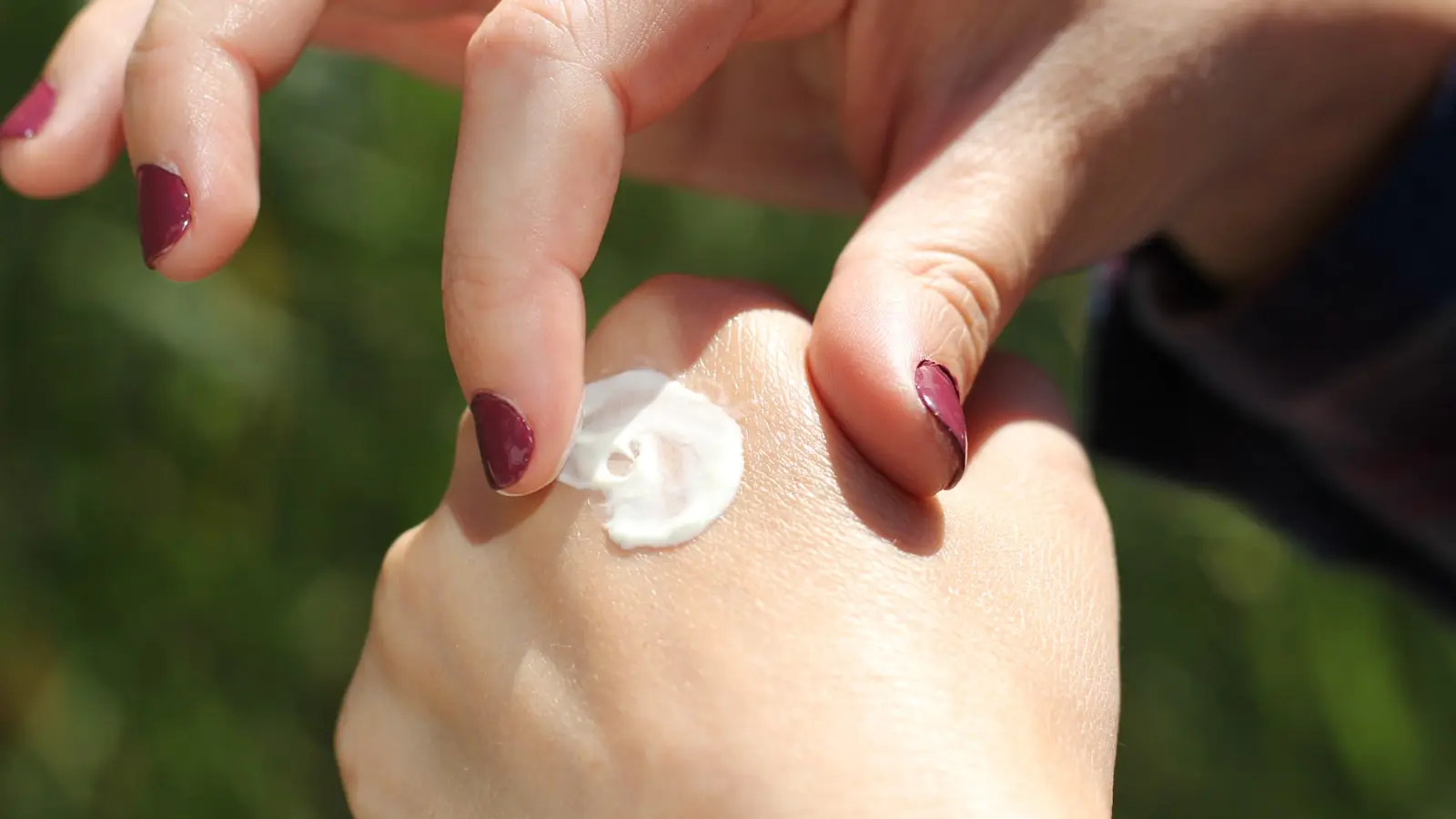
- There is no single 'best' eczema cream, because eczema needs two different jobs done. A fragrance-free moisturiser used every day is the foundation that helps keep skin from drying out and flaring. A short course of over-the-counter hydrocortisone 1% is what calms an active, itchy flare. Most Australians managing mild eczema use both — a daily emollient plus hydrocortisone when needed — rather than searching for one miracle product.
Top picks
Top pick
A fragrance-free daily moisturiser (emollient)
The foundation of eczema care — used every day it traps water in the skin, eases itch and helps reduce how often flares happen.
Best for flares
Hydrocortisone 1% (Sigmacort)
A mild over-the-counter steroid that calms an active, itchy flare when a moisturiser alone is not enough, used sparingly for a short course.
General information only — check with your pharmacist or GP before starting a new medicine. Always read the label and follow the directions for use.
We may earn a commission from these links. It never affects our rankings.
The short answer For eczema (atopic dermatitis) in Australia, the most useful 'cream' is actually two products working together. A fragrance-free moisturiser or emollient — brands such as QV, Cetaphil and Dermeze — is applied liberally every day to support the skin barrier and reduce how often flares happen. When the skin is red, itchy and inflamed, a mild over-the-counter topical steroid, hydrocortisone 1% (sold as Sigmacort or DermAid), is used sparingly for a short course to settle the flare. Soap-free washes and bath oils help too. Steroid creams should be used cautiously on the face and in young children, and only for a few days at a time unless your pharmacist or doctor advises otherwise. Always read the label and follow the directions for use.
What Eczema Is — and Why It Changes the Cream You Need
Eczema, or atopic dermatitis, is a chronic condition where the skin barrier does not hold moisture well and overreacts to irritants, leaving it dry, itchy, red and inflamed. It affects around one in five children and up to one in ten adults in Australia, and it tends to come and go in flares. There is no cure, but for most people it can be managed well at home.
Because eczema is both a barrier problem and an inflammation problem, no single cream does everything. A moisturiser tackles the dryness and helps prevent flares; an anti-inflammatory cream like hydrocortisone calms a flare once it has started. Understanding that split is the key to choosing the right products rather than being overwhelmed by the pharmacy shelf.
Daily Moisturisers: The Foundation
Emollients (moisturisers) are the cornerstone of eczema care and should be used every day, even when the skin looks clear. They work by trapping water in the skin and reinforcing the barrier, which helps reduce itch and the number of flares. Widely used Australian options include the QV range, Cetaphil, Dermeze and DermaVeen. Look for fragrance-free, thick formulations and apply them liberally — several times a day, and always after washing.
The 3-minute rule (soak and seal) After a bath or shower, gently pat the skin almost dry and apply your moisturiser within about three minutes, while the skin is still slightly damp. This 'soak and seal' step locks water into the skin and is one of the simplest ways to get more out of an ordinary moisturiser. Ointments and thicker creams generally hold moisture better than thin lotions.
More moisturiser is genuinely better here: adults with widespread eczema may get through 250 to 500 grams a week during a bad patch. Buy pump packs or large tubs so cost does not put you off using enough. If a product stings or makes things worse, stop it — fragrance and some active 'anti-ageing' ingredients can irritate eczema-prone skin.
Hydrocortisone 1%: For Calming Flares
When eczema flares — hot, red, itchy and inflamed — a moisturiser alone often is not enough. Hydrocortisone 1% is a mild topical corticosteroid available over the counter in Australia (a Pharmacy Medicine, Schedule 2) in small pack sizes. Sold as Sigmacort and DermAid, it reduces inflammation and helps relieve the itch of a flare. Apply a thin layer to the affected areas once or twice a day for a short course — typically up to seven days — then rely on your moisturiser to keep things settled.
Sigmacort Hydrocortisone 1% Cream 30g
Australia's most popular OTC hydrocortisone cream. Mild topical corticosteroid for eczema, dermatitis, insect bites, and allergic rashes. TGA-listed.
Where to buy · Sigmacort Hydrocortisone 1% Cream 30gindicative pricing
Chemist Warehouse$7.99View
We may earn a commission from these links. It never affects our rankings.
DermAid 0.5% Cream 30g
Gentle 0.5% hydrocortisone cream suitable for sensitive skin and mild irritation. Can be used on the face for up to 5 days. Available without pharmacist consultation.
Where to buy · DermAid 0.5% Cream 30gindicative pricing
Chemist Warehouse$8.49View
We may earn a commission from these links. It never affects our rankings.
Using hydrocortisone safely Use hydrocortisone sparingly and short-term. Be especially cautious on the face, in skin folds, and in young children, where skin is thinner and absorbs more. Over-the-counter hydrocortisone is generally not recommended for children under two, on broken or infected skin, or for long-term daily use without medical advice. If a flare is not improving after about a week, or you find yourself needing it constantly, see your pharmacist or GP rather than continuing on your own.
Soap-Free Washes and Bath Oils
Ordinary soap strips the skin's natural oils and can trigger flares, so people with eczema are usually advised to switch to a soap-free wash or a non-foaming cleanser. Bath oils and dispersible bath additives (such as QV Bath Oil and DermaVeen options) add a layer of oil to the water that helps reduce drying. Keep baths and showers short and lukewarm rather than hot, and moisturise straight afterwards.
Bath oils make surfaces slippery Bath oils leave baths, showers and floors slippery. Take care getting in and out, use a non-slip mat, and supervise children closely to reduce the risk of falls.
Emollient vs Hydrocortisone vs Bath Oil: What Does What
These three products are not competitors — they do different jobs and are often used together. This table summarises what each is for and when to reach for it.
| Product type | What it does | When to use it | Frequency |
|---|---|---|---|
Daily moisturiser / emollient (QV, Cetaphil, Dermeze) | Traps water and reinforces the skin barrier; helps reduce itch and prevent flares | Every day, flare or no flare | Liberally, several times daily |
Hydrocortisone 1% (Sigmacort, DermAid) | Mild topical steroid that reduces inflammation and relieves an active flare | Only when skin is red, itchy and inflamed | Thin layer, short course (up to ~7 days) |
Bath oil / soap-free wash | Cleanses without stripping natural oils; adds oil to bath water to limit drying | At every wash, in place of soap | Each bath or shower |
Spotting and Avoiding Your Triggers
Creams manage eczema, but avoiding triggers reduces how often you need them. Triggers vary from person to person, and keeping a simple diary can help you work out yours. Common ones in Australia include heat and sweat, dry winter air, chlorinated pools, harsh soaps and detergents, wool and synthetic fabrics against the skin, dust mites, and stress.
- Wash new clothes before wearing and choose soft cotton over wool or scratchy synthetics.
- Use fragrance-free laundry detergent and skip fabric softener, which commonly irritates eczema-prone skin.
- Keep fingernails short to limit damage from scratching, which can worsen a flare and break the skin.
- Rinse and moisturise after swimming to remove chlorine or salt.
- Manage heat: light layers, air-conditioning on hot days, and moisturise more when the air is dry.
Eczema vs Contact Dermatitis: Are They the Same?
'Eczema' and 'dermatitis' both mean inflamed skin, and the terms overlap. Atopic eczema is the long-term, often inherited type linked to allergies, asthma and hay fever, and it tends to appear in the elbow creases, behind the knees and on the face. Contact dermatitis is triggered by something the skin touches — a specific irritant (like a cleaning product) or an allergen (like nickel or a fragrance) — and it usually appears where that substance made contact.
The day-to-day management is similar: moisturise, avoid the trigger, and use hydrocortisone for flares. The main difference is that contact dermatitis often clears once you identify and remove the culprit, so it is worth paying attention to where a rash appears and what touched it. If you cannot work out the pattern, a pharmacist or GP can help.
Eczema in Babies and Children
Eczema is very common in babies and young children and often improves with age. The same principles apply — frequent fragrance-free moisturising and short courses of a mild steroid for flares — but the details matter more because children's skin is thinner. Over-the-counter hydrocortisone is generally not recommended for children under two without medical advice, and steroid use on a child's face should be guided by a pharmacist or GP.
For infants, focus on generous daily moisturising, lukewarm baths, soft cotton clothing and keeping nails short to reduce scratching. If your child's eczema is widespread, disturbing their sleep, or not responding to moisturiser and short steroid courses, see your GP, who can prescribe stronger options or refer to a dermatologist.
When to See a Pharmacist or GP
Mild eczema is well suited to self-care with moisturisers and short-term hydrocortisone. But some situations need professional advice: flares that do not settle within a week or two, eczema that keeps coming back, eczema on the face or a large area, or any eczema in a baby. Your pharmacist is a good first stop and can point you to prescription options through a GP if needed.
Signs of infected eczema — see a doctor Broken, scratched skin can become infected. See a GP promptly if you notice weeping or oozing, yellow crusts, pus, blisters, increasing pain, warmth or swelling, red streaks spreading from the area, or a fever. Infected eczema often needs antibiotics and will not clear with a steroid cream alone. Widespread painful blisters or a rapidly spreading rash warrant urgent medical care.
FAQ
What is the best eczema cream in Australia?
There is no single best cream, because good eczema care uses two types. A fragrance-free daily moisturiser (emollient) such as QV, Cetaphil or Dermeze is the foundation that helps prevent flares, while over-the-counter hydrocortisone 1% (Sigmacort or DermAid) calms an active flare. The 'best' product is the fragrance-free moisturiser you will actually use every day, backed up by short courses of hydrocortisone when your skin flares.
What's the strongest eczema cream I can buy over the counter?
In Australia, the strongest anti-inflammatory eczema cream you can buy without a prescription is hydrocortisone 1%, a mild topical steroid sold as Sigmacort and DermAid. Stronger steroids (such as betamethasone or mometasone) and non-steroid prescription creams are available only through a doctor. If hydrocortisone 1% is not controlling your flares, that is a sign to see your GP rather than searching for something stronger on the shelf.
What is the 3-minute rule for eczema?
The 3-minute rule — also called 'soak and seal' — means applying your moisturiser within about three minutes of getting out of the bath or shower, while the skin is still slightly damp. Doing this traps water in the skin before it evaporates, which helps keep the barrier hydrated and reduces itch. It is one of the easiest ways to get more benefit from a moisturiser you are already using.
Is eczema fungal or bacterial?
Eczema itself is neither — it is an inflammatory skin condition driven by a faulty skin barrier and an overactive immune response, not an infection. However, because eczema breaks the skin, it can become infected with bacteria (commonly Staphylococcus aureus) on top of the eczema, which is a separate problem that may need antibiotics. Fungal rashes such as ringworm can look similar to eczema, so if a rash is not responding as expected, a pharmacist or GP can help tell them apart.
Can I buy hydrocortisone cream over the counter in Australia?
Yes. Hydrocortisone 1% (and the milder 0.5%) is available over the counter as a Pharmacy Medicine, meaning you can buy it without a prescription but it is kept where you can ask a pharmacist. It comes in small pack sizes for short-term use. It is generally not recommended for children under two, for use on the face for prolonged periods, or on broken or infected skin without advice.
Do natural eczema creams work?
Some plant-based and 'natural' creams contain colloidal oatmeal or rich emollients that can genuinely help soothe and moisturise, and popular Australian options exist. But 'natural' does not automatically mean gentle — botanical extracts and essential oils can irritate eczema-prone skin, and fragrance is a common trigger. If you prefer a natural product, choose a fragrance-free one, patch-test it first, and use it as your daily moisturiser rather than expecting it to replace hydrocortisone during a flare.
The verdict
For most Australians with mild eczema, the winning combination is a fragrance-free daily moisturiser used liberally every day, plus a short course of over-the-counter hydrocortisone 1% (Sigmacort or DermAid) when the skin flares. Add a soap-free wash, follow the 3-minute rule after bathing, and work out your triggers. See a pharmacist or GP for eczema in babies, flares that do not settle, or any sign of infection — this is a condition you manage, not one you cure with a single tube.
Disclaimer This article is for informational purposes only and does not constitute medical advice. Always read the label and follow the directions for use. If symptoms persist, talk to your health professional. See your pharmacist or GP for advice tailored to your situation.
Related health topics
Medical disclaimer
This information is general in nature and isn’t a substitute for professional medical advice. Always read the label and follow the directions for use. Talk to your pharmacist or doctor about what’s right for you.
More Skin, wound & sun care guides

Allergy & hayfever13 min read
Hydrocortisone Cream Australia: Uses, Safety & Best Brands
Hydrocortisone cream may help relieve itching and inflammation from mild eczema, bites and rashes. Compare Sigmacort, DermAid and generic options in Australia.
Skin, wound & sun care9 min read
Ringworm (Tinea) Treatment in Australia: Best Antifungal Creams & How to Use Them
How to treat ringworm and tinea in Australia: which OTC antifungal cream to choose, how long to keep using it, hygiene to stop the spread, and when to see a GP.
Skin, wound & sun care12 min read
Best Sunscreen in Australia: Top SPF 50+ Picks for 2026
Two in three Australians are affected by skin cancer by 70, so the right SPF 50+ matters. We compare Cancer Council, La Roche-Posay, Bondi Sands and more.