Guide
Wart Removal Australia: OTC Options That May Help (2026 Guide)
A plain-English guide to wart removal in Australia — how salicylic acid paints, freeze kits and duct tape may help, which method suits common, plantar and facial warts, and when to see a GP.

Key takeaways
- Over-the-counter wart removal in Australia mainly involves salicylic acid paints and plasters (such as Duofilm and Scholl) or home freeze kits (such as Wart-Off Pen and Wartner). Salicylic acid may help clear a wart over about 8-12 weeks of daily use, while freeze kits may work in fewer applications. Plantar warts on thick skin usually take longer. Never use these products on the face, genitals or near the eyes — see a GP or pharmacist for those. Because warts are caused by a virus (HPV), recurrence is common even after a wart clears.
Warts are one of the most common skin complaints Australians take to the pharmacy. They're harmless in most cases, but they can be stubborn, uncomfortable and frustrating to clear — especially on the bottom of the foot. The good news is that there are several over-the-counter (OTC) options available in Australia that may help, and most warts can be managed at home. The key is choosing a method that suits the type of wart you have, using it consistently, and knowing when it's time to see a GP or podiatrist instead. This guide walks through how each OTC option may work, realistic timeframes, and the important safety lines you shouldn't cross.
How long does OTC wart removal take in Australia? Over-the-counter salicylic acid paints and plasters (such as Duofilm and Scholl) may help remove a wart over roughly 8-12 weeks of daily use. OTC freeze kits that use dimethyl ether (such as the Wart-Off Pen) may help in fewer applications, often spaced one to two weeks apart. Plantar warts on the thick skin of the sole tend to take longer because the wart sits deeper, so consistent treatment over several weeks is usually needed.
What Are Warts?
Warts are small, rough growths on the skin caused by the human papillomavirus (HPV). There are many strains of HPV, and the ones that cause common skin warts are different from the strains involved in cervical cancer. The virus enters through tiny breaks in the skin and causes the surface cells to grow faster than normal, forming the raised, often grainy lump we recognise as a wart. Warts can spread from one part of your body to another, and from person to person, particularly in warm, moist environments like communal showers and swimming pools.
Knowing which type of wart you have matters, because it influences which OTC method is most suitable and how long treatment is likely to take:
- Common warts (verruca vulgaris) — firm, raised bumps with a rough, cauliflower-like surface. Most often appear on the hands, fingers and around the nails. These are usually the most straightforward to treat at home.
- Plantar warts (verrucas) — appear on the soles of the feet. Because you walk on them, they're often pushed inwards and grow under a thick layer of hard skin, sometimes with small black dots (clotted blood vessels) in the centre. They can be tender when you walk and typically take longer to clear.
- Flat warts — smaller, smoother and flatter than common warts, often appearing in clusters on the face, neck, hands or legs. Because they frequently appear on the face, they're generally not suitable for OTC self-treatment.
- Facial and genital warts — warts in these areas should not be self-treated with OTC products. They need assessment by a GP or another health professional.
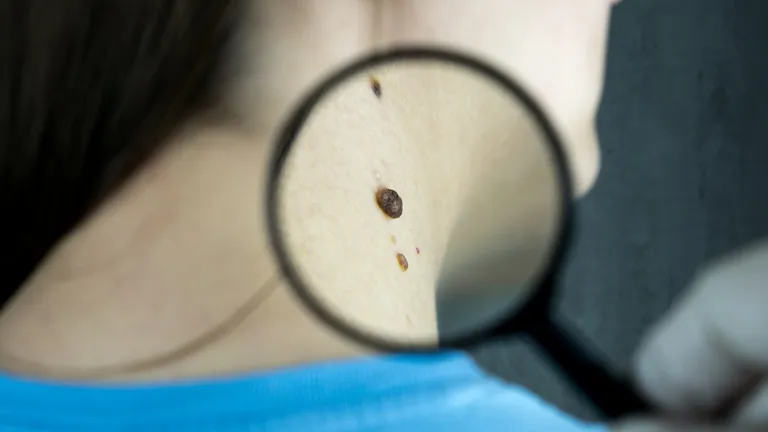
Not sure it's a wart? Several skin lesions can look like warts, including corns, calluses, skin tags, moles and some other growths. If you're not confident about what you're looking at — particularly if a spot is changing in size, colour or shape, bleeding, or painful — have it checked by a GP before trying any wart treatment. Getting the diagnosis right first avoids treating the wrong thing.
Do Warts Even Need Treating?
Many warts clear on their own over time as the body's immune system recognises and clears the virus — this can take months to a couple of years. Because of this, treatment is often a matter of choice rather than necessity. You might choose to treat a wart if it's painful, in an awkward spot, spreading, catching on things, or simply bothering you cosmetically. If a wart isn't causing problems, watchful waiting is a reasonable option. The trade-off is that an untreated wart can persist for a long time and may spread, so many people prefer to act on it.
OTC Wart Removal Options in Australia
There are three main approaches available over the counter or as a home remedy in Australia: salicylic acid products, home freeze (cryotherapy) kits, and duct-tape occlusion. Each works differently and suits different situations. None of these "cures" the underlying virus — they aim to remove the visible wart, after which the immune system does the rest.
Salicylic Acid Paints and Plasters (e.g. Duofilm, Scholl)
Salicylic acid is the most widely studied OTC wart treatment. It's a keratolytic, which means it gradually softens and dissolves the hard, built-up skin of the wart layer by layer. With repeated daily use, the wart is slowly worn down, and the mild irritation it causes may also help prompt the immune system to respond. In Australia, salicylic acid for warts comes as paints or liquids you brush on (such as Duofilm), as well as medicated plasters and pads (such as Scholl wart treatments) that hold the acid against the wart. Strengths vary, and higher-strength products are generally better suited to the thick skin of plantar warts.
Salicylic acid products may help remove a wart, but they require patience and consistency — typically daily application over about 8-12 weeks. A practical routine looks like this:
- Soak the wart in warm water for about 5 minutes to soften it.
- Gently file the surface with an emery board or pumice stone kept only for this purpose (don't share it, and don't use it on healthy skin).
- Dry the area well, then apply the paint or plaster exactly as directed on the pack, protecting the surrounding healthy skin (a smear of petroleum jelly or soft paraffin around the wart can help).
- Let liquids dry fully before covering. Reapply daily, and keep going for several weeks — stopping too early is the most common reason treatment fails.
- Always read the label and follow the directions for use, including any maximum duration stated on the pack.
Who should avoid salicylic acid wart products Don't use salicylic acid wart treatments on the face, genitals, moles, birthmarks, or on warts with hair growing from them. People with diabetes or poor circulation should not self-treat foot warts and should see a GP or podiatrist instead, because foot wounds can heal poorly and become serious. Avoid broken or infected skin. If you're pregnant or breastfeeding, or treating a child, check with your pharmacist or GP first.
Home Freeze (Cryotherapy) Kits (e.g. Wart-Off Pen, Wartner)
Home freeze kits aim to destroy the wart by freezing it. The in-clinic version uses liquid nitrogen at very low temperatures; OTC home kits available in Australian pharmacies typically use a refrigerant such as dimethyl ether, applied with an applicator or a pen-style device (for example, the Wart-Off Pen and Wartner). Freezing damages the wart tissue, which then blisters and falls away over the following days to weeks. Home kits don't get as cold as clinical liquid nitrogen, so they may need more than one application and aren't always as effective, particularly on thick plantar warts.
- Follow the pack instructions precisely — over-applying or holding the applicator on too long can cause burns, blistering and scarring.
- Expect some stinging during and after treatment; a blister may form, which is part of how it works.
- Most kits allow repeat applications spaced one to two weeks apart if the wart persists — don't reapply more often than the pack states.
- Freeze kits are generally not suitable for young children, and not for use on the face, genitals or around the eyes.
Salicylic acid vs freeze kit There's no single "best" method for everyone. Salicylic acid is slow but steady and well-suited to home routines; freeze kits act faster but can be more uncomfortable and may require repeat sessions. Some people use salicylic acid as a first try and consider a freeze kit (or a GP visit) if there's little change after several weeks. Whichever you choose, consistency matters more than the brand.
Duct-Tape Occlusion (the "duct tape method")
Duct-tape occlusion is a popular home remedy where the wart is covered continuously with a piece of tape, with the idea that occlusion and mild irritation may encourage the wart to clear. The evidence is genuinely mixed — some small studies suggested it may help compared with no treatment, while others found little benefit over salicylic acid or doing nothing. It's low-cost and low-risk for a common wart on the hand or foot, so some people try it on its own or alongside salicylic acid, but it shouldn't be relied on as a guaranteed approach.
- Cover the wart completely with a small piece of tape and leave it in place for several days at a time.
- Remove the tape, soak the area, gently file the surface, leave it uncovered overnight, then reapply fresh tape the next day.
- Repeat for several weeks. Stop and reassess if the skin becomes irritated, broken or sore.
- Don't use this method on the face or on broken or infected skin.
Which Method Suits Which Wart?
Matching the method to the wart type and location gives you the best chance of success. As a general guide:
- Common warts on hands and fingers — salicylic acid paints or plasters are a sensible first choice; a freeze kit is a reasonable alternative.
- Plantar warts (soles of the feet) — both salicylic acid and freeze kits may help, but the wart sits deeper under thick skin, so consistent daily treatment over several weeks is usually needed. Higher-strength salicylic acid is better suited to thick plantar skin. If a plantar wart is painful or hasn't responded after about three months, see a GP or podiatrist for in-clinic options such as cryotherapy.
- Flat warts and any warts on the face, genitals or near the eyes — do not self-treat with OTC products. See a GP or pharmacist for assessment.
- Multiple or spreading warts — worth a pharmacist or GP discussion rather than treating each one piecemeal at home.
Never self-treat warts on the face, genitals or eyes OTC acid and freeze products are not designed for the face, genitals or the area around the eyes. The skin in these areas is delicate, and these products carry a real risk of burns, scarring and spreading the wart. Genital warts in particular need proper medical assessment and treatment. If you have a wart in any of these areas, leave it alone and see a GP or dermatologist.
OTC Wart Removal Methods Compared
| Method | How it may help | Typical timeframe | Best for / cautions |
|---|---|---|---|
| Salicylic acid paints (e.g. Duofilm) | Softens and gradually dissolves the wart's hard skin with daily use | Daily use over roughly 8-12 weeks | Best for common warts on hands/feet. Caution: not for face, genitals, moles or hairy warts; avoid if diabetic or poor circulation |
| Salicylic acid plasters/pads (e.g. Scholl) | Holds acid against the wart; convenient for awkward spots and feet | Daily/regular use over several weeks | Best for plantar and common warts. Caution: protect surrounding skin; follow pack duration limits |
| Home freeze kit (e.g. Wart-Off Pen, Wartner) | Freezes wart tissue (dimethyl ether) so it blisters and falls away | Often fewer applications, spaced 1-2 weeks apart | Best for common warts; may suit some plantar warts. Caution: risk of burns/scarring; not for children, face, genitals or eyes |
| Duct-tape occlusion | Covers the wart; occlusion and mild irritation may encourage clearing (evidence mixed) | Continuous taping over several weeks | Low-cost option for common warts on hands/feet. Caution: not for the face or broken skin; results unreliable |
| In-clinic cryotherapy (GP/podiatrist) | Liquid nitrogen freezing at clinical strength; not an OTC product | Repeat sessions a few weeks apart | For stubborn, painful or uncertain warts. See a health professional |
Aftercare and Stopping the Spread
Good aftercare helps treatment work and reduces the chance of the wart spreading to other areas or other people:
- Wash your hands before and after touching, filing or treating a wart.
- Keep a dedicated emery board or pumice stone for the wart and don't use it on healthy skin or share it.
- Avoid picking, scratching or biting warts, which can spread the virus to fingers and the mouth.
- Cover plantar warts with a waterproof plaster at swimming pools, gyms and communal showers, and avoid sharing towels, socks or shoes.
- Keep the skin around a treated wart protected and moisturised, and stop treatment if the surrounding skin becomes very sore, broken or shows signs of infection (increasing pain, redness, warmth, swelling or pus).
Warts can come back Even when a wart clears, the underlying virus (HPV) isn't "cured" — it can remain in the skin, so warts sometimes return in the same spot or appear nearby. Recurrence is common and doesn't mean you did anything wrong. If warts keep coming back or multiplying, it's worth a chat with your pharmacist or GP about next steps.
When to See a GP or Podiatrist
OTC products suit straightforward warts on the hands and feet. See a GP or podiatrist if any of the following apply:
- There's been no improvement after about three months of consistent OTC treatment.
- A plantar wart is painful, making it hard to walk, or is spreading.
- You're not sure the growth is actually a wart, or it's changing in size, colour or shape, bleeding, or looks unusual.
- The wart is on the face, genitals or near the eyes.
- You have diabetes, poor circulation, or a weakened immune system — don't self-treat foot warts in these cases.
- Warts are multiplying, large, or in clusters.
- The treated area shows signs of infection (increasing pain, redness, warmth, swelling or pus).
- You're pregnant or breastfeeding, or treating a young child, and want tailored advice.
A GP or podiatrist can confirm the diagnosis and offer treatments not available over the counter, such as clinical-strength cryotherapy with liquid nitrogen, stronger prescription preparations, or minor procedures for persistent warts.
Frequently Asked Questions
What kills warts quickly?
There's no instant fix for a wart. OTC freeze kits (such as the Wart-Off Pen or Wartner) tend to act faster than salicylic acid because they damage the wart in a single application, but they may still need repeating and aren't always effective on thick plantar warts. Salicylic acid is slower but steady. The fastest reliable option for a stubborn wart is usually in-clinic cryotherapy with a GP or podiatrist. Whatever the method, clearing a wart generally takes weeks rather than days.
How do I remove a wart at home?
For a common wart on the hand or foot, the most evidence-backed home approach is daily salicylic acid (a paint like Duofilm or a plaster like Scholl): soak, gently file the surface, apply the product as directed while protecting the surrounding skin, and keep going for about 8-12 weeks. A home freeze kit is an alternative. Always read the label, and never use these products on the face, genitals or near the eyes — those need a GP.
Do warts go away on their own?
Often, yes. Many warts clear by themselves as the immune system clears the virus, though this can take months to a couple of years. Treating a wart can speed up clearance and reduce the chance of it spreading, but watchful waiting is a reasonable choice for a wart that isn't causing problems.
What causes warts?
Warts are caused by the human papillomavirus (HPV), which infects the top layer of skin and makes it grow faster than normal. The virus spreads through direct contact and via surfaces in warm, moist places like pool decks and communal showers, entering through tiny breaks in the skin. The strains that cause common skin warts are different from those linked to cervical cancer.
How long does salicylic acid take to remove a wart?
Salicylic acid usually needs daily use over roughly 8-12 weeks to help clear a wart, and sometimes longer for thick plantar warts. The most common reason it appears not to work is stopping too soon — consistency over several weeks is what makes the difference.
Can you freeze a wart at home in Australia?
Yes. Home freeze kits using a refrigerant such as dimethyl ether (for example, the Wart-Off Pen and Wartner) are sold in Australian pharmacies and supermarkets. They're milder than the liquid nitrogen used in clinics, so they may need repeat applications and aren't always effective on thick plantar warts. Follow the pack instructions carefully to avoid burns, and don't use them on the face, genitals or around the eyes.
Disclaimer This article is for informational purposes only and does not constitute medical advice. Always read the label and follow the directions for use. If symptoms persist, talk to your health professional. See your pharmacist or GP for advice tailored to your situation.
The verdict
For a typical common wart on the hand or foot, salicylic acid paints or plasters (Duofilm, Scholl) are the most evidence-backed OTC starting point in Australia, used consistently over 8-12 weeks. Home freeze kits (Wart-Off Pen, Wartner) are a faster-acting alternative for some warts. Match the method to the wart type and location, be patient, and see a GP or podiatrist if there's no change after about three months, if a plantar wart is painful, or if you're not certain it's a wart. Avoid self-treating warts on the face, genitals or around the eyes entirely.
Related health topics
Medical disclaimer
This information is general in nature and isn’t a substitute for professional medical advice. Always read the label and follow the directions for use. Talk to your pharmacist or doctor about what’s right for you.
More Skin, wound & sun care guides
Skin, wound & sun care9 min read
Skin Tag Removal Australia: OTC Options, Safety & When to See a GP
Your guide to skin tag removal in Australia — how OTC freeze kits, ligation bands and creams may help, what is unsafe to do at home, costs, and red flags.
Skin, wound & sun care9 min read
Cold Sore Treatment in Australia: What Actually Works at the Pharmacy
A complete Australian guide to cold sore treatment — the stages, the antiviral creams and tablets you can buy without a script, when to start, and what to skip.
Skin, wound & sun care9 min read
Ringworm (Tinea) Treatment in Australia: Best Antifungal Creams & How to Use Them
How to treat ringworm and tinea in Australia: which OTC antifungal cream to choose, how long to keep using it, hygiene to stop the spread, and when to see a GP.