Guide
Burns and Scalds: First Aid Treatment at Home
How to treat a burn or scald at home in Australia — 20 minutes of cool running water, what never to put on a burn, hydrogel dressings, and when to go to the ED.

Key takeaways
- For almost any burn or scald, the single most important thing you can do is hold the area under cool (not icy) running water for 20 minutes — and it still helps up to three hours after the injury. Cover loosely, reach for paracetamol or ibuprofen for pain, and never put ice, butter or toothpaste on a burn. Get to a doctor or emergency department for burns that are large, deep, blistered, or on the face, hands, feet or genitals.
The single most important step: 20 minutes of cool running water For any heat burn or scald, immediately hold the area under cool (not cold or icy) running water for a full 20 minutes. This is the one action that most improves how a burn heals, and it still helps if you start within three hours of the injury. While cooling the burn, remove rings, watches and tight or soaked clothing from the area before it swells — but do not peel off anything that is stuck to the skin. Call Triple Zero (000) for any large, deep or severe burn, or if the person is struggling to breathe after smoke or flames.
Quick answer Cool the burn under running water for 20 minutes, take off jewellery and loose clothing near the area, then cover it loosely with a clean, non-fluffy material or cling film laid over the top (not wrapped tight). Take paracetamol or ibuprofen for the pain. Do not use ice, butter, toothpaste, oil or toothpaste-style home remedies. A hydrogel dressing such as Burnaid is useful after cooling or when no running water is available — it does not replace the 20 minutes of water. See a doctor for any burn bigger than a 20-cent coin, any blistered or deep burn, or a burn on the face, hands, feet, genitals or over a joint.
Burn First Aid, Step by Step
- 1. Stop the burning. Move away from the heat source. If clothing is on fire, use stop, drop, cover and roll. For a scald, get hot, wet clothing away from the skin quickly.
- 2. Cool the burn. Hold it under cool running water for 20 minutes. A tap, shower or hose is fine. Do not use ice or iced water.
- 3. Remove tight items. Take off rings, watches, bracelets, belts and any loose or soaked clothing near the burn before swelling sets in. Leave anything stuck to the skin alone.
- 4. Keep the person warm. Cooling one area is good; letting the whole body get cold is not, especially in children. Cover the rest of them with a blanket while you cool the burn.
- 5. Cover the burn. Once cooled, lay cling film loosely over the area, or use a clean non-fluffy dressing or a hydrogel dressing. Do not wrap tightly and do not use cotton wool.
- 6. Relieve pain. Paracetamol or ibuprofen at label doses helps most minor burns. Elevate the area if you can.
- 7. Get help if needed. Seek medical care for the burns described further down, and call 000 for anything large, deep or severe.
Why cool water, and why 20 minutes? Heat keeps damaging tissue for a while even after the source is gone. Cooling with running water draws that heat away, can reduce how deep the burn goes, eases pain and helps limit scarring. Australian and New Zealand burns services specifically recommend 20 minutes of cool running water — brief splashing is not enough. Cool tap water (around 15 degrees C) is ideal; ice and iced water are too cold and can deepen the injury.
What NOT to Do to a Burn
Plenty of well-meaning home remedies do more harm than good. Some trap heat, some raise the risk of infection, and some make it harder for medical staff to assess the burn later. Skip all of the following.
- Ice or iced water — too cold, can deepen the burn and damage healthy skin. Use cool running water only.
- Butter, margarine, oil or lard — these seal in heat and offer no benefit.
- Toothpaste — a common myth. It is not sterile, stings, and can irritate the wound.
- Egg white, flour, or other kitchen 'remedies' — no evidence, and an infection risk.
- Lotions, creams or antiseptic ointments straight away — leave the burn bare until it is assessed if you are seeking care; they can interfere with the examination.
- Bursting blisters — leave them intact. The skin over a blister is a natural barrier against infection.
- Sticky dressings or cotton wool directly on the burn — fibres stick to the wound and are painful to remove.
Do not peel off stuck clothing If clothing, a nappy or jewellery is stuck to a burn, do not try to pull it off — you can tear away skin. Cool the area with water over the top of the fabric if needed, and let medical staff deal with anything that is stuck.
How Bad Is It? Assessing Burn Severity
Burns are described by how deep they go into the skin. Depth affects how they heal and whether they need medical care. It can be hard to judge in the first few hours — burns can also 'evolve' and look worse a day or two later — so when in doubt, have it checked.
| Depth | What it looks like | Typical healing |
|---|---|---|
| Superficial (like most sunburn) | Red, dry, painful, no blisters. Skin blanches (goes pale) when pressed. | Heals on its own in about 3–7 days, usually without scarring. |
| Superficial partial thickness | Red and moist with blisters, very painful and weepy. | Usually heals in 1–3 weeks with good care; low scarring risk. |
| Deep partial thickness | Blotchy red or white, less painful in places, slower to blanch. | Often needs medical assessment; can scar and may need specialist care. |
| Full thickness | White, waxy, leathery or charred; may feel numb because nerve endings are damaged. | Always needs urgent medical care; typically needs a burns unit. |
The size rule of thumb As a rough guide, a person's whole palm (including fingers) is about 1% of their body's surface area. Any burn larger than about 3% in an adult — or larger than the person's palm in a child — should be assessed by a doctor. Even a small burn can be serious if it is deep or in a high-risk spot.
When You Can Treat a Burn at Home
Most minor burns and scalds — a splash from the kettle, a touch on the oven rack, mild sunburn — can be managed at home once you have done the 20 minutes of cool running water. Home care is reasonable when all of the following are true:
- The burn is superficial: red and painful but not blistered, or with only a small, intact blister.
- It is smaller than a 20-cent coin (adults) and not on a high-risk area.
- It is not on the face, hands, feet, genitals, or over a major joint.
- The person is a healthy older child or adult (not a baby, elderly, pregnant, or someone with diabetes or a weakened immune system).
- There are no signs of infection and the pain is manageable with paracetamol or ibuprofen.
See a doctor or go to the ED for any of these Get medical care promptly — your GP, an urgent care clinic, or a hospital emergency department — for burns that are more than skin-deep or in the wrong place.
- Any burn bigger than a 20-cent coin, or bigger than the child's palm in a child
- Blistered, white, leathery, charred or numb areas (deeper burns)
- Burns on the face, hands, feet, genitals, or over a joint
- Burns that go all the way around a limb, finger or toe
- Any burn to a baby, young child, elderly person, or someone pregnant or with diabetes
- Chemical burns, electrical burns, or burns from a fire in an enclosed space
- Any burn where you are unsure how deep or serious it is
Call 000 immediately if Some burns are emergencies. Call Triple Zero (000) and start cooling the burn while you wait if there is a large or deep burn, a burn covering more than the size of the person's whole arm, a burn to the airway (coughing, a hoarse voice, or soot around the nose or mouth after smoke or flames), difficulty breathing, or if the person is drowsy, pale, or collapses. Electrical burns and chemical burns to the eyes also need emergency care.
Hydrogel Dressings (Burnaid and Similar): What They Actually Do
Hydrogel burn products such as Burnaid gel and hydrogel dressings are widely sold in Australian pharmacies and carried by many paramedics. They are water-based gels, often with a little tea tree oil, that soothe and cool a burn and keep it moist while you get further help. They are genuinely useful — but it is important to understand their role.
Hydrogel is for after cooling, not instead of it A hydrogel dressing does not replace 20 minutes of cool running water. Water is still the priority. Use hydrogel after you have cooled the burn, or as a stopgap when there is genuinely no running water available (for example on a bushwalk or in the car). If you apply a hydrogel and are heading to hospital, tell staff what you used, as it may need to be removed for assessment.
- What they help with: cooling, pain relief, and keeping a minor burn moist and covered on the way to care.
- Handy where water is limited: cars, camping, worksites and sports bags — which is why they belong in a first aid kit.
- What they are not: they do not 'cure' a burn, and they do not make a deep or large burn safe to manage at home.
- Blisters and open burns: keep blisters intact; for anything more than a superficial burn, have it assessed rather than self-dressing.
Burnaid Burn Gel Sachet
Sterile hydrogel burn dressing for immediate cooling and pain relief from minor burns and scalds. Used by Australian paramedics.
Where to buy · Burnaid Burn Gel Sachet
Amazon AustraliaView
We may earn a commission from these links. It never affects our rankings.
Aftercare: Dressings, Blisters and Pain Relief
Once a minor burn is cooled and covered, a little day-to-day care helps it heal cleanly and lowers the risk of infection.
Dressing a minor burn
- Cover loosely with a clean, non-stick dressing or a layer of cling film laid over the burn (do not wrap it tightly around a limb).
- Change the dressing if it gets wet, dirty or slips — a clean, dry, non-adherent dressing is ideal.
- Keep the area clean; wash gently with lukewarm water and pat dry. Ask your pharmacist which non-stick burn dressing suits the spot you are treating.
- Watch the burn over the next day or two, since burns can deepen and look worse before they look better.
Blister care
- Leave blisters intact — the skin on top protects against infection while the burn heals underneath.
- Do not deliberately burst a blister. If a large blister bursts on its own, keep the area clean and covered with a non-stick dressing.
- See your pharmacist or GP if a blister is large, over a joint, or in an awkward spot — sometimes they need professional management.
Pain relief
Burns can hurt for a few days. Paracetamol or ibuprofen taken at the doses on the label manages the pain for most minor burns — see our paracetamol vs ibuprofen guide if you are unsure which to reach for. Ibuprofen can be a good option as it also helps with inflammation, but it is not suitable for everyone, so check with your pharmacist if you have stomach, kidney or asthma concerns. Keeping the burn covered and elevated also helps.
Panadol Rapid (Paracetamol 500mg)
Fast-acting pain relief. Gentle on the stomach. Suitable for headaches, fever, and general aches.
Where to buy · Panadol Rapid (Paracetamol 500mg)
Amazon AustraliaView
We may earn a commission from these links. It never affects our rankings.
Nurofen (Ibuprofen 200mg)
Fast, effective pain relief with anti-inflammatory action. Ideal for period pain, back pain, and inflammation.
Where to buy · Nurofen (Ibuprofen 200mg)
Amazon AustraliaView
We may earn a commission from these links. It never affects our rankings.
Signs a burn is getting infected See your GP if, over the following days, the burn becomes more painful rather than less, the surrounding skin gets increasingly red, hot or swollen, it starts weeping pus or smells, or you develop a fever or feel generally unwell. An infected burn may need antibiotics and closer follow-up.
A Note on Sunburn
Sunburn is a burn too, and given Australia's UV levels it is one of the most common. Most sunburn is superficial: red, hot and tender but without blisters. Cool the skin with a cool shower or damp cloths, drink plenty of water, and use paracetamol or ibuprofen for the discomfort. A simple, fragrance-free moisturiser or an after-sun gel can soothe the skin. Treat blistered or widespread sunburn — or sunburn in a baby or young child — the same way you would any burn, and seek advice if it is severe. Prevention is far better than treatment; see our best sunscreen guide for choosing an SPF 50+ broad-spectrum product.
Kids and Scalds: Hot Drinks Are the Big One
Scalds from hot drinks, kettles, saucepans and bath water are one of the most common serious burns in Australian children — and a cup of tea or coffee is hot enough to scald a small child even 15 minutes after it is made. Children's skin is thinner than an adult's, so the same spill causes a deeper burn.
- Keep hot drinks, kettles and cords well back from bench edges and out of little hands' reach.
- Never hold a baby or child while you drink something hot or carry hot food.
- Turn saucepan handles to the back of the stove and use the rear hotplates.
- Check bath water before your child gets in; run cold water first, then add hot, and aim for a comfortably warm temperature.
- Store kettles and hot appliances towards the back of the bench with short or coiled cords.
Treat a child's burn the same way, then get it checked The first aid is identical: 20 minutes of cool running water, then cover loosely and keep the child warm. Because children's burns are deeper for their size and more prone to complications, have any burn in a baby or young child assessed by a doctor — even one that looks minor. Save the Poisons Information Centre (13 11 26) and know that 000 is for any large or severe burn.
Frequently Asked Questions
How do you treat a burn at home?
Hold the burn under cool running water for 20 minutes, take off any rings, watches or tight clothing near the area before it swells, then cover it loosely with cling film or a clean non-stick dressing. Take paracetamol or ibuprofen for the pain and leave any blisters intact. Do not use ice, butter or toothpaste. This works for minor, superficial burns — see a doctor for anything blistered, deep, larger than a 20-cent coin, or on the face, hands, feet or genitals.
How long should you run a burn under water?
Twenty minutes of cool (not icy) running water is the recommendation from Australian and New Zealand burns services. A quick rinse is not enough. It still does some good if you start within about three hours of the burn, so it is worth doing even if you were slow to react. Keep the rest of the body warm while you cool the burn, especially with children.
Should you put ice on a burn?
No. Ice and iced water are too cold and can deepen the burn and damage healthy skin around it. Use cool running water from a tap, shower or hose instead. The goal is to cool the burn gently, not to freeze it.
What is Burnaid and does it replace cooling with water?
Burnaid is a water-based hydrogel gel or dressing sold in Australian pharmacies that cools and soothes a burn and keeps it moist. It is handy in a first aid kit, especially where there is no running water. But it does not replace 20 minutes of cool running water — water is still the priority. Use a hydrogel after cooling, or as a stopgap when water is not available, and tell hospital staff if you have applied one.
Should I pop a burn blister?
No. Leave blisters intact. The skin on top acts as a natural barrier against infection while the burn heals underneath. If a blister bursts on its own, keep the area clean and cover it with a non-stick dressing. See your pharmacist or GP if a blister is large, over a joint, or looks like it may be getting infected.
When should a burn go to hospital?
Go to an emergency department or call 000 for any large or deep burn, a burn that is white, leathery, charred or numb, a burn that goes all the way around a limb, or any burn to the face, hands, feet or genitals. Also seek emergency care for chemical or electrical burns, burns from a fire in an enclosed space, or any sign of a burnt airway such as a hoarse voice or soot around the nose or mouth. Babies, young children, the elderly and people with diabetes should have even minor-looking burns checked.
How do I treat a child's scald from a hot drink?
Use the same first aid as for any burn: get the hot, wet clothing away from the skin quickly, then cool the area under cool running water for 20 minutes while keeping the rest of your child warm. Cover loosely and do not apply creams or home remedies. Because children's skin is thinner and their burns are deeper for their size, have any scald in a baby or young child seen by a doctor, even if it looks minor.
Disclaimer This article is for informational purposes only and does not constitute medical advice. Always read the label and follow the directions for use. If symptoms persist, talk to your health professional. See your pharmacist or GP for advice tailored to your situation.
The verdict
For any burn or scald, cool running water for 20 minutes is the one step that matters most — start it fast, keep it up for the full 20 minutes, and skip the ice, butter and toothpaste. Cover the burn loosely, use paracetamol or ibuprofen for pain, and keep a hydrogel dressing like Burnaid in your kit for after cooling or when water is not on hand. Manage small, superficial burns at home, but get medical care for anything blistered, deep, larger than a 20-cent coin, or on the face, hands, feet or genitals — and treat every burn in a baby or young child as one to have checked.
Related health topics
Medical disclaimer
This information is general in nature and isn’t a substitute for professional medical advice. Always read the label and follow the directions for use. Talk to your pharmacist or doctor about what’s right for you.
More Skin, wound & sun care guides
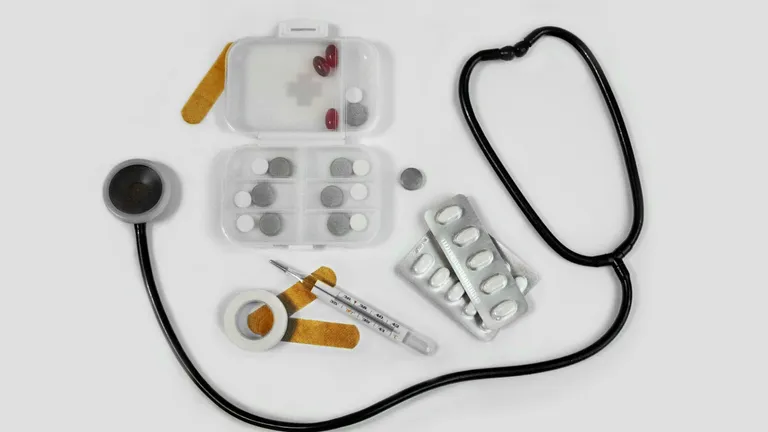
Skin, wound & sun care15 min read
First Aid Kit Essentials for Australia (2026 Guide)
Everything your Australian home, car, or outdoor kit needs — from St John and Trafalgar picks to AU-specific extras like compression bandages and burn gel.
Pain relief11 min read
Paracetamol vs Ibuprofen: Which Should You Take?
Panadol or Nurofen? Find out which painkiller suits your symptoms, whether you can safely take both together, who should avoid ibuprofen, and the right daily doses.
Skin, wound & sun care12 min read
Best Sunscreen in Australia: Top SPF 50+ Picks for 2026
Two in three Australians are affected by skin cancer by 70, so the right SPF 50+ matters. We compare Cancer Council, La Roche-Posay, Bondi Sands and more.