Guide
UTI Treatment Over the Counter in Australia
Find out what UTI treatment you can buy over the counter in Australia, what urinary alkalinisers actually do, and when a UTI needs antibiotics.
Key takeaways
- UTI treatment over the counter in Australia is limited to symptom relief, not a cure. Urinary alkalinisers such as Ural and citrate sachets can ease the sting of a bladder infection, but they do not clear the underlying bacteria. Most urinary tract infections need antibiotics, and in every state and territory some pharmacies can now assess and treat uncomplicated UTIs in women without a GP visit. See a doctor urgently if you have a fever, back pain, blood in your urine, or if you are pregnant, male, or the patient is a child.
The short answer In Australia you cannot buy UTI antibiotics off the shelf. The only true over-the-counter options are urinary alkalinisers — products like Ural, Citravescent and Uramet that make your urine less acidic and may relieve the stinging and burning of an uncomplicated bladder infection. They ease symptoms; they do not treat the infection itself. Because a UTI is caused by bacteria, most cases still need a short course of antibiotics. The good news is that you no longer always need a GP: under nationally expanded pharmacy scope, trained pharmacists in every state and territory can now assess women with uncomplicated urinary tract infections and supply antibiotics after a consultation. See a doctor promptly if you have a fever, back or flank pain, blood in your urine, or if you are pregnant, male, or the patient is a child.
What Does a UTI Feel Like?
A urinary tract infection (UTI) happens when bacteria — usually Escherichia coli from the bowel — travel into the urinary system and multiply. Most infections affect the bladder, which is why the everyday term is cystitis. UTIs are very common: around one in two women will have at least one in their lifetime, and they are far more frequent in women than men because the female urethra is shorter.
- A burning or stinging pain when you pass urine (the classic symptom)
- Needing to urinate more often than usual, including at night
- A sudden, strong urge to go, even when little comes out
- Cloudy, dark, or strong-smelling urine
- A dragging ache or pressure low in your belly
- Small amounts of blood in the urine in some cases
These lower urinary tract symptoms are uncomfortable but usually not dangerous on their own. What matters is spotting the difference between a simple bladder infection and a more serious kidney infection, which needs urgent medical care. We cover those warning signs further down.
Can You Buy UTI Treatment Over the Counter in Australia?
This is the question most people are really asking, and the honest answer is nuanced. You cannot buy antibiotics for a UTI over the counter the way you can buy paracetamol — antibiotics are prescription or pharmacist-supplied medicines in Australia, tightly controlled to slow antibiotic resistance. What you can buy without a prescription are urinary alkalinisers, which are sold to relieve symptoms while the infection is dealt with properly.
Some of these products sit on the open shelf (general sale) and others, such as Uramet and Hiprex, are pharmacist-only (Schedule 3) medicines kept behind the counter, so you need to speak to the pharmacist to buy them. None of them are a substitute for antibiotics when antibiotics are needed. Think of over-the-counter options as comfort measures, not a fix for the infection.
What Urinary Alkalinisers Actually Do
Urinary alkalinisers — the best-known is Ural — contain citrate salts such as sodium citrate or potassium citrate. They work by reducing the acidity of your urine, which can make passing urine less painful during a bout of cystitis. They are dissolved in water as a sachet or effervescent tablet and taken several times a day. Importantly, they treat the sting, not the cause. They do not kill bacteria and will not clear a urinary tract infection on their own.
Check with your pharmacist before using an alkaliniser Urinary alkalinisers are not suitable for everyone. Speak to your pharmacist or GP first if any of the following apply to you:
- You are pregnant or breastfeeding
- You have kidney problems or heart disease
- You have high blood pressure or are on a low-sodium or low-potassium diet
- You have diabetes (some sachets contain sugar; check for a sugar-free version)
- You take medicines such as lithium, spironolactone, ACE inhibitors, or other potassium-affecting drugs
- Symptoms do not improve within a couple of days, or they get worse
Another over-the-counter product you may see is Hiprex (hexamine hippurate), which is sometimes used to help prevent recurrent UTIs rather than treat an active one. It is a pharmacist-only medicine and should only be used on pharmacist or GP advice, particularly if you get frequent infections, as recurrent UTIs need proper investigation.
Over-the-Counter UTI Options Compared
This table summarises what is actually available without a prescription in Australian pharmacies, and — just as importantly — what each option does and does not do.
| Option | What it is | What it does | Availability |
|---|---|---|---|
Ural / Citravescent | Citrate urinary alkaliniser (sachets/effervescent) | May relieve burning and stinging by reducing urine acidity — does not treat the infection | General sale (open shelf) |
Uramet | Citrate-based alkaliniser (Schedule 3) | Eases symptoms of uncomplicated cystitis — not a cure | Pharmacist-only |
Hiprex (hexamine hippurate) | Urinary antibacterial agent (Schedule 3) | Used to help prevent recurrent UTIs, not to treat an active infection | Pharmacist-only |
Paracetamol or ibuprofen | General pain relievers | May ease general discomfort and lower-belly ache | General sale / pharmacy |
Antibiotics (e.g. trimethoprim, nitrofurantoin) | Prescription / pharmacist-supplied medicines | Treat the underlying bacterial infection | GP script or pharmacist UTI service |
Antibiotics Without a GP: The Pharmacy UTI Service
A major change in recent years is that pharmacists across Australia can now assess and treat some UTIs directly. After trials in Queensland, every state and territory has rolled out an expanded scope of practice that lets trained pharmacists supply a short course of antibiotics for uncomplicated urinary tract infections without you needing to see a GP first. The exact rules vary by state, and not every pharmacy offers the service, so it is worth ringing ahead.
The service is generally limited to women aged roughly 18 to 65 with straightforward symptoms of a simple bladder infection. The pharmacist runs through a structured consultation, checks you against a safety checklist, and either supplies antibiotics or refers you to a doctor. A consultation fee usually applies on top of the cost of the medicine (Victoria's state-funded program is a notable exception). If you fall outside the eligibility criteria, the pharmacist will point you to a GP — that referral is part of the safety design, not a brush-off.
Who the pharmacy service cannot treat You will need to see a GP rather than use the pharmacy UTI service if you are pregnant or breastfeeding, are male, are under 18, have had several UTIs recently, have a fever or back pain, have diabetes or a weakened immune system, or have a urinary catheter. These situations need a doctor's assessment.
Self-Care and Prevention That May Help
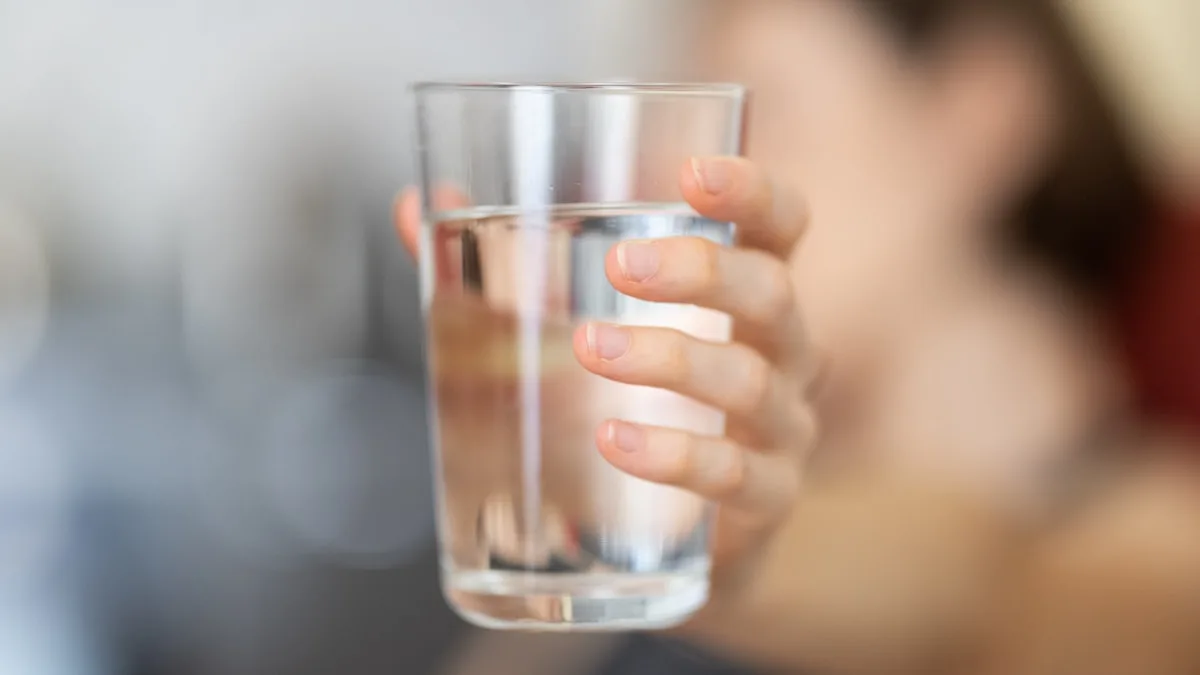
Alongside proper treatment, a few simple measures may ease symptoms and lower your risk of future infections. Drinking plenty of water helps flush the urinary system and dilutes your urine, which can reduce stinging. Do not hold on when you need to urinate, and try to empty your bladder fully each time. Passing urine soon after sex may also help reduce the chance of bacteria taking hold.
Cranberry is the most-asked-about home remedy. The evidence is weak and mixed: some studies suggest cranberry products (juice or capsules) may modestly reduce the frequency of recurrent UTIs in some women, but they are not a treatment for an active infection and should never replace antibiotics when they are needed. If you enjoy cranberry juice, choose a low-sugar option and treat it as a possible preventive extra rather than a cure.
See a doctor urgently if you have any of these A simple bladder infection can spread up to the kidneys, which is serious. Do not rely on over-the-counter products — seek medical care promptly if you notice:
- Fever, chills, or feeling generally very unwell
- Pain in your back or side (flank pain), or nausea and vomiting
- Blood in your urine
- Symptoms that last more than a couple of days or keep coming back
- You are pregnant, male, or the patient is a child
- You have diabetes, kidney disease, or a weakened immune system
These features can point to a kidney infection (pyelonephritis) or a complicated UTI, both of which need prompt medical assessment and, usually, antibiotics. When in doubt, it is always safer to be checked by a GP or, out of hours, to call Healthdirect on 1800 022 222 or attend an emergency department.
FAQ
Is there anything I can buy over the counter for a UTI?
Yes, but only for symptom relief. In Australia you can buy urinary alkalinisers such as Ural or Citravescent off the shelf, and pharmacist-only products like Uramet from behind the counter. These reduce the acidity of your urine and may ease the burning of a bladder infection. They do not clear the infection, so they are best thought of as comfort measures while you arrange proper treatment. You cannot buy antibiotics over the counter without a pharmacist consultation or a doctor's prescription.
Can Ural clear a UTI?
No. Ural is a urinary alkaliniser that makes your urine less acidic, which can relieve the sting and discomfort of cystitis. It does not kill the bacteria causing the infection, so it cannot clear a UTI on its own. If your symptoms are caused by a bacterial infection, you will usually still need antibiotics. Use Ural for short-term relief, and if symptoms do not settle within a day or two, see a pharmacist or GP.
How do I get rid of a UTI without seeing a doctor?
You may not need a GP, but you do need proper assessment. In every Australian state and territory, many pharmacies now run a UTI treatment service where a trained pharmacist can assess uncomplicated infections in eligible women and supply antibiotics without a doctor's appointment. That is different from self-treating: the pharmacist still checks you are safe to treat. Drinking water and using a urinary alkaliniser may ease symptoms in the meantime, but they are not a reliable way to get rid of the infection.
Can a chemist give antibiotics for a UTI?
In many cases, yes. Trained pharmacists across Australia can now supply a short course of antibiotics for uncomplicated UTIs in women, generally aged around 18 to 65, after a structured consultation. Not every pharmacy participates, and a consultation fee usually applies (Victoria's program is state-funded). If you are pregnant, male, under 18, have recurrent infections, or show signs of a kidney infection, the pharmacist will refer you to a GP instead.
Can I flush out a UTI without antibiotics?
Some very mild bladder infections may settle on their own with extra fluids and time, and drinking plenty of water can help ease symptoms. However, there is no reliable way to be sure a UTI will clear without antibiotics, and delaying treatment risks the infection spreading to the kidneys. Cranberry and alkalinisers do not cure an active infection. If symptoms persist beyond a day or two, or you feel unwell, get assessed rather than trying to wait it out.
What mimics a UTI but isn't a UTI?
Several conditions can cause UTI-like symptoms without a bacterial infection being present. These include thrush and other vaginal infections, sexually transmitted infections such as chlamydia, bladder irritation or interstitial cystitis, kidney stones, and vaginal dryness around menopause. This is one reason a proper assessment matters — if repeated urine tests come back clear but symptoms persist, see your GP so the real cause can be identified and treated.
Disclaimer This article is for informational purposes only and does not constitute medical advice. Always read the label and follow the directions for use. If symptoms persist, talk to your health professional. See your pharmacist or GP for advice tailored to your situation.
The verdict
Over-the-counter UTI treatment in Australia means symptom relief, not a cure. Urinary alkalinisers like Ural can take the sting out of a bladder infection, but they do not clear the bacteria — and most UTIs need antibiotics. Your fastest route to proper treatment is often a pharmacy that offers the UTI service, where a pharmacist can assess an uncomplicated infection and supply antibiotics without a GP visit. Always see a doctor if you have a fever, back pain, blood in your urine, or if you are pregnant, male, or the patient is a child.
Medical disclaimer
This information is general in nature and isn’t a substitute for professional medical advice. Always read the label and follow the directions for use. Talk to your pharmacist or doctor about what’s right for you.
More Family health guides

Family health9 min read
Period Pain Relief in Australia: A Pharmacist-Backed Guide to Your Options
Ibuprofen, paracetamol, naproxen or heat? We compare period pain relief options in Australia, why NSAIDs usually beat paracetamol for cramps, and the red flags.

Cough, cold & flu11 min read
Antibiotics for a Cold or Sore Throat: Do You Need Them?
Nine in ten colds, flus, and sore throats are viral — antibiotics won't help. Learn the signs of bacterial infection and what OTC options relieve your symptoms.

Family health9 min read
Safe Medicines in Pregnancy: An Australian Guide (Always Check First)
Wondering which everyday medicines are generally considered suitable in pregnancy in Australia? A complaint-by-complaint guide on TGA categories — always check first.