Guide
Ashwagandha Benefits in Australia: What the Evidence Actually Says (2026)
An evidence-led look at ashwagandha benefits in Australia — what research suggests it may help with, KSM-66 vs Sensoril, typical doses, and the safety cautions.
WhichMedicine Editorial Team
Reviewed for an Australian audience
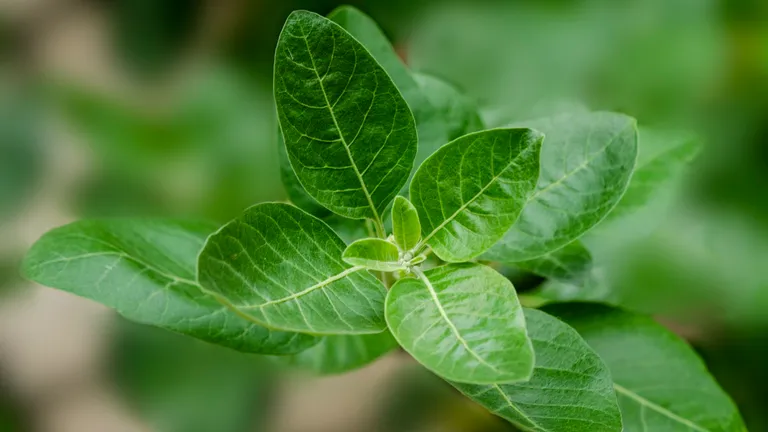
Key takeaways
- Ashwagandha (Withania somnifera) is a traditional Ayurvedic herb sold in Australia as a TGA-listed complementary medicine. Clinical trials suggest it may help support the body's response to stress, promote relaxation and sleep quality, and aid exercise recovery — but the evidence is still emerging and the studies are mostly small and short. It is generally well tolerated at around 300-600 mg a day, yet it is not for everyone: people who are pregnant or breastfeeding, those with thyroid or autoimmune conditions, and anyone taking sedatives or thyroid medication should speak to a pharmacist or GP first.
Ashwagandha has gone from a little-known Ayurvedic herb to one of the most talked-about supplements on Australian pharmacy and health-food shelves. It is marketed for stress, sleep, energy, mood and even gym performance — which is a lot of promises for one plant. So what does the research actually show, and is it worth trying? This guide takes an evidence-led, Australian view: what ashwagandha is, what studies suggest it may help with (and where the evidence is thin), how it is dosed, how long to give it, and the safety cautions that rarely make it onto the front of the bottle.
A quick note up front on language. In Australia, ashwagandha is sold as a complementary medicine, not a registered drug. That means the claims you will see are limited to supporting wellbeing, and the herb is not a treatment for any medical condition. We have written this guide the same way — what research suggests it may help with, not what it cures.
Quick Answer: What Is Ashwagandha Used For in Australia? Ashwagandha (Withania somnifera) is a traditional Ayurvedic herb classified as a complementary medicine in Australia. Clinical trials suggest it may help support the body's response to stress, promote relaxation and sleep quality, and aid exercise recovery — though the evidence is still emerging and it is not a substitute for medical treatment. It is sold as a TGA-listed (AUST L) supplement at pharmacies and health-food retailers, where the most studied extracts to look for are KSM-66 and Sensoril.
What Is Ashwagandha?
Ashwagandha is the root (and sometimes leaf) of Withania somnifera, a small evergreen shrub native to India, the Middle East and parts of Africa. It has been used for centuries in Ayurveda, the traditional medicine system of the Indian subcontinent, where it is valued as a "rasayana" — broadly, a herb thought to support vitality and resilience. The name itself is often translated as "smell of the horse," a nod to its earthy aroma and the traditional belief that it imparts strength.
In modern supplement language, ashwagandha is described as an adaptogen — a term used for plants that are claimed to help the body adapt to stress and stay in balance. "Adaptogen" is a marketing and traditional-use concept rather than a strict clinical category, so it is worth treating it as a useful shorthand rather than proof of effect. The active compounds most often credited are a group of naturally occurring steroidal lactones called withanolides, which is why good-quality products are usually standardised to a set percentage of withanolides.
How it is regulated in Australia
In Australia, ashwagandha products are listed complementary medicines, carrying an AUST L number on the label. AUST L (listed) products are assessed by the Therapeutic Goods Administration (TGA) for the safety and quality of their ingredients, and sponsors can only make a defined set of low-level wellbeing claims. This is a lower bar than the AUST R (registered) pathway used for products like paracetamol, where the TGA also evaluates evidence that the product actually works. In plain terms: an AUST L number tells you the ingredients are permitted and the manufacturing is regulated — not that the product has been proven effective for you.
What Research Suggests Ashwagandha May Help With
Ashwagandha has more human research behind it than many herbal supplements, but most trials are small (often 50-120 people), short (typically 8-12 weeks), and a number are funded by extract manufacturers. That does not make the findings worthless — but it does mean results should be read as promising and provisional rather than settled. Here is where the evidence is strongest, and where it thins out.
Stress and feeling overwhelmed
This is ashwagandha's best-studied use. Several randomised controlled trials have reported that a standardised extract taken for around 8 weeks may help reduce self-rated stress and lower cortisol (a stress hormone) compared with placebo. The effects reported are generally modest, and questionnaires for "stress" are subjective, so the picture is encouraging rather than conclusive. If you are going to try ashwagandha for one thing, stress support is the use with the most consistent signal behind it.
Relaxation and sleep quality
Some trials suggest ashwagandha may help people feel more relaxed and report better sleep quality, including falling asleep a little faster and feeling more rested. The improvements measured tend to be small, and ashwagandha is not a sedative — it will not knock you out the way an antihistamine sleep aid can. Think of it as possible gentle support for winding down rather than a sleeping tablet. For more on the OTC sleep landscape, see our sleep aids guide.
Exercise recovery and strength
There is a smaller body of research, mostly in younger men doing resistance training, suggesting ashwagandha may support gains in strength, muscle size and recovery when combined with a training program. These studies are limited and the effect sizes vary, so it is best viewed as a possible minor edge alongside the actual work of training, sleep and nutrition — not a shortcut.
What about other claims?
You will also see ashwagandha promoted for mood, focus, fertility, blood sugar and thyroid function. The human evidence for these is weaker, more preliminary, or limited to specific groups, and some (like effects on thyroid hormones) are actually reasons for caution rather than benefits to chase. Treat broad "does everything" marketing with healthy scepticism.
| What it may help with | Strength of evidence | What to realistically expect |
|---|---|---|
| Stress and feeling overwhelmed | Moderate (best studied) | Possible modest reduction in self-rated stress over ~8 weeks |
| Relaxation and sleep quality | Limited to moderate | May feel more relaxed and report better-quality sleep; not a sedative |
| Exercise recovery and strength | Limited | Possible small support to training gains and recovery in some people |
| Mood and general wellbeing | Limited / preliminary | Early signals only; not a treatment for depression or anxiety disorders |
| Fertility, blood sugar, thyroid effects | Very limited / mixed | Insufficient evidence to rely on; some are safety concerns, not benefits |
How to Read Supplement Evidence "May help" and "is proven to treat" are very different claims. For most herbal supplements, including ashwagandha, the honest position is that early research is promising for stress and relaxation, but the studies are small, short and often industry-funded. A supplement can be worth a careful try without being a guaranteed fix — and it should never replace care for a diagnosed condition.
KSM-66 vs Sensoril: Extracts and Typical Doses
Not all ashwagandha is the same. Most of the better-quality human research has used one of two branded, standardised root extracts, and many Australian products will state which one they use on the label.
| Extract | Standardisation | Typical dose | Notes |
|---|---|---|---|
| KSM-66 | Root-only extract, high withanolide percentage | ~300 mg once or twice daily | Most widely studied form; features in many of the stress, sleep and exercise trials |
| Sensoril | Root-and-leaf extract, higher withanolide content | ~125-250 mg/day | Often used at lower doses; sometimes marketed as more calming |
| Generic or unbranded extract | Milligram amount and withanolide percentage stated, no branded extract | Varies by product | Can still be fine, but less certainty about how it compares to the extracts used in studies |
Across most trials, ashwagandha is used at roughly 300-600 mg of a standardised extract per day, usually for 8-12 weeks. Some products are taken once daily, others split into a morning and evening dose. Always follow the directions on your specific product, because concentration and standardisation differ between brands — 300 mg of one extract is not equivalent to 300 mg of raw root powder. If a product's dose or instructions are unclear, ask the pharmacist.
Powder vs Capsules Ashwagandha also comes as a loose root powder (often used in warm milk or smoothies in the Ayurvedic tradition). Powders are usually unstandardised, so the withanolide content — and therefore the strength — is far less predictable than a standardised capsule. If you want to follow what the research used, a standardised KSM-66 or Sensoril capsule is the more consistent choice.
How Long Should You Try Ashwagandha?
Ashwagandha is not a fast-acting remedy — in studies, benefits to stress and sleep appear gradually over a few weeks, not within hours. A reasonable approach is to give a standardised product a fair trial of around 8 weeks, then take stock: if you have noticed a genuine, worthwhile difference, you can decide whether to continue; if nothing has changed, it is probably not worth your money.
- Most trials ran for 8-12 weeks, so judge it over weeks, not days.
- There is limited long-term safety data beyond a few months of continuous use, so open-ended daily use is not well studied.
- Some people choose to take breaks (for example, using it during a stressful stretch rather than year-round). There is no strong evidence either way, but it is a sensible, conservative approach.
- If you are taking it for sleep or stress and your symptoms are significant or persistent, that is a reason to see your GP rather than relying on a supplement indefinitely.
Ashwagandha Side Effects, Safety and Cautions
For most healthy adults, ashwagandha appears to be well tolerated at typical doses in short-term studies. The most commonly reported side effects are mild and gut-related — nausea, loose stools or stomach upset — and some people notice drowsiness. But "well tolerated by most" is not the same as "safe for everyone," and there are some important cautions that deserve more attention than they usually get.
Who Should Be Cautious or Avoid Ashwagandha Speak to a pharmacist or GP before taking ashwagandha if any of these apply to you.
- Pregnancy and breastfeeding: generally avoided, as it has traditionally been linked to pregnancy risks and there is not enough safety data.
- Thyroid conditions: it may raise thyroid hormone levels, which can be a problem if you have an overactive thyroid or take thyroid medication such as thyroxine.
- Autoimmune conditions (for example, rheumatoid arthritis, lupus, Hashimoto's, MS): ashwagandha may stimulate immune activity, which could theoretically worsen these.
- Surgery: because it can have a sedative effect, stop it well before any planned surgery and tell your anaesthetist.
- Liver concerns: rare cases of liver injury have been reported with ashwagandha supplements.
- Medicines that interact: sedatives and sleep medicines (added drowsiness), thyroid medication, diabetes medicines (possible additive lowering of blood sugar), blood pressure medicines, and immunosuppressants.
What about the liver-injury reports?
There have been rare published case reports of liver injury associated with ashwagandha supplements, sometimes showing up as raised liver enzymes (such as AST and ALT) on a blood test, along with symptoms like nausea, fatigue, dark urine or yellowing of the skin and eyes (jaundice). These cases are uncommon and the herb is taken by very large numbers of people without issue, but they are a genuine signal worth respecting. If you develop persistent nausea, unusual tiredness, abdominal pain or jaundice while taking ashwagandha, stop it and see a doctor.
A note for women
Ashwagandha is widely marketed to women for stress and sleep, and the general trial findings are not sex-specific — the stress and relaxation research applies broadly. The key extra considerations for women are the firm pregnancy and breastfeeding caution above, and the thyroid point, since thyroid conditions are more common in women. If you take thyroid medication or hormone therapy, treat that as a reason to check with your pharmacist or GP before starting, rather than a green light.
Where to Buy Ashwagandha in Australia
Ashwagandha is widely available in Australia as a listed complementary medicine. You will find it in pharmacies such as Chemist Warehouse, Priceline Pharmacy, Amcal and Terry White Chemmart, as well as health-food shops and supermarkets, usually from supplement brands like Swisse, Blackmores and various specialist labels. It is sold as capsules, tablets, gummies, powders and as an ingredient in combination "stress" or "sleep" formulas.
- Look for a standardised extract — ideally KSM-66 or Sensoril — or at least a stated withanolide percentage.
- Check the AUST L number is present on the label (it should be, for a complementary medicine).
- Compare the actual extract dose per capsule, not just the headline number on the front — combination products often contain only a small amount of ashwagandha.
- If you take regular medicines or have a health condition, ask the pharmacist to check suitability before you buy.
Frequently Asked Questions
What is ashwagandha actually good for?
The use with the most supporting research is helping to support the body's response to stress, with some evidence it may also aid relaxation and sleep quality and, in a smaller way, exercise recovery. The studies are mostly small and short, so it is best seen as possible gentle support rather than a proven treatment. It is not a substitute for care of a diagnosed condition such as an anxiety disorder.
What happens if you take ashwagandha daily?
In short-term studies (typically up to about 12 weeks), daily use at standard doses is generally well tolerated, with mild stomach upset or drowsiness the most common side effects. Long-term continuous use beyond a few months has not been well studied, so the effects of taking it daily for years are unknown. If you do take it daily, do so with a clear purpose and review whether it is still helping every couple of months.
Can ashwagandha cause high AST (liver enzymes)?
Rarely, yes. There are published case reports of ashwagandha supplements being linked to liver injury, which can show as raised liver enzymes such as AST and ALT on a blood test. This is uncommon, but if you notice persistent nausea, unusual fatigue, abdominal pain, dark urine or yellowing of the skin or eyes while taking it, stop and see a doctor for a check.
Why don't doctors usually recommend ashwagandha?
Doctors tend to recommend treatments supported by larger, higher-quality trials. For ashwagandha, the evidence — while encouraging for stress — is still based mostly on small, short, often industry-funded studies, and there are real interaction and safety cautions (thyroid, autoimmune, pregnancy, rare liver effects). That combination makes many clinicians cautious about routinely recommending it, rather than opposed to people trying it sensibly.
Can I take ashwagandha with HRT or thyroid medication?
Do not assume it is fine — check first. Ashwagandha may affect thyroid hormone levels, so combining it with thyroid medication such as thyroxine needs medical input, as your dose may be affected. With hormone therapy (HRT) there is little specific safety data, which is itself a reason to ask your pharmacist or GP before combining them. The same applies if you take sedatives, diabetes or blood pressure medicines.
Is ashwagandha safe in pregnancy or while breastfeeding?
It is generally avoided during pregnancy and breastfeeding. Ashwagandha has traditionally been associated with pregnancy risks and there is not enough modern safety data to consider it safe, so the conservative and widely advised approach is not to use it during these times. If you are pregnant, trying to conceive, or breastfeeding, speak to your GP or pharmacist before taking any supplement.
Disclaimer This article is for informational purposes only and does not constitute medical advice. Always read the label and follow the directions for use. If symptoms persist, talk to your health professional. See your pharmacist or GP for advice tailored to your situation.
Related health topics
Medical disclaimer
This information is general in nature and isn’t a substitute for professional medical advice. Always read the label and follow the directions for use. Talk to your pharmacist or doctor about what’s right for you.
More Sleep, stress & quitting guides
Sleep, stress & quitting13 min read
Over-the-Counter Sleeping Tablets Australia: 2026 Guide
Australia's best OTC sleeping tablets compared — from doxylamine (Restavit) to melatonin, valerian and magnesium, with dosing, safety, and where to buy.

Sleep, stress & quitting8 min read
Melatonin in Australia: Prescription Rules, Gummies & What You Can Actually Buy (2026)
Melatonin is mostly prescription-only in Australia. Learn the 2025 rule changes, why gummies are a trap, what it may help with, dosing, and safer alternatives.
Vitamins & supplements11 min read
Magnesium Benefits and Types: Which Form Is Right for You? (Australia 2026)
Glycinate, citrate, oxide or threonate? An Australian guide to magnesium benefits, the best form for sleep, cramps and stress, plus dosing and cautions.