Guide
Collagen Supplements: Do They Actually Work?
Cut through the collagen hype: what the trials really show for skin, joints and nails, plus marine vs bovine, dose, and who should check first.
Key takeaways
- Collagen supplements have some randomised-trial support for modestly improving skin elasticity and hydration at 2.5-15 g/day over 8-12 weeks, with weaker evidence for joints and very limited evidence for hair, nails and gut. Your body breaks collagen down into amino acids rather than sending it straight to your skin, so treat any product as a possible small helper, not a fix for ageing. Match the dose to what trials actually used, give it a couple of months, and check with your pharmacist or GP if you are pregnant, breastfeeding or have a fish or beef allergy.
The short answer Collagen supplements may modestly support skin elasticity and hydration in some people, based on a growing set of randomised trials using 2.5 to 15 grams of hydrolysed collagen peptides daily for 8 to 12 weeks. The evidence is more limited for joint comfort and weak for hair, nails and gut health. Because collagen is a protein that your body breaks down into amino acids during digestion, taking it does not deliver collagen straight to your skin, and no supplement can undo ageing. For most Australians, sun protection, not smoking and eating enough total protein matter more than any powder. If you want to try one, choose a product that clearly states the collagen type and dose, give it at least eight weeks, and check with your pharmacist or GP first if you are pregnant, breastfeeding, or allergic to fish or beef.
What Is Collagen, and What Do Supplements Claim to Do?
Collagen is the most abundant protein in your body, making up roughly a third of your total protein. It forms the scaffolding of your skin, tendons, ligaments, cartilage and bones. Your body makes its own collagen from amino acids, and natural production gradually slows from your mid-20s onwards, which is part of why skin loses firmness with age.
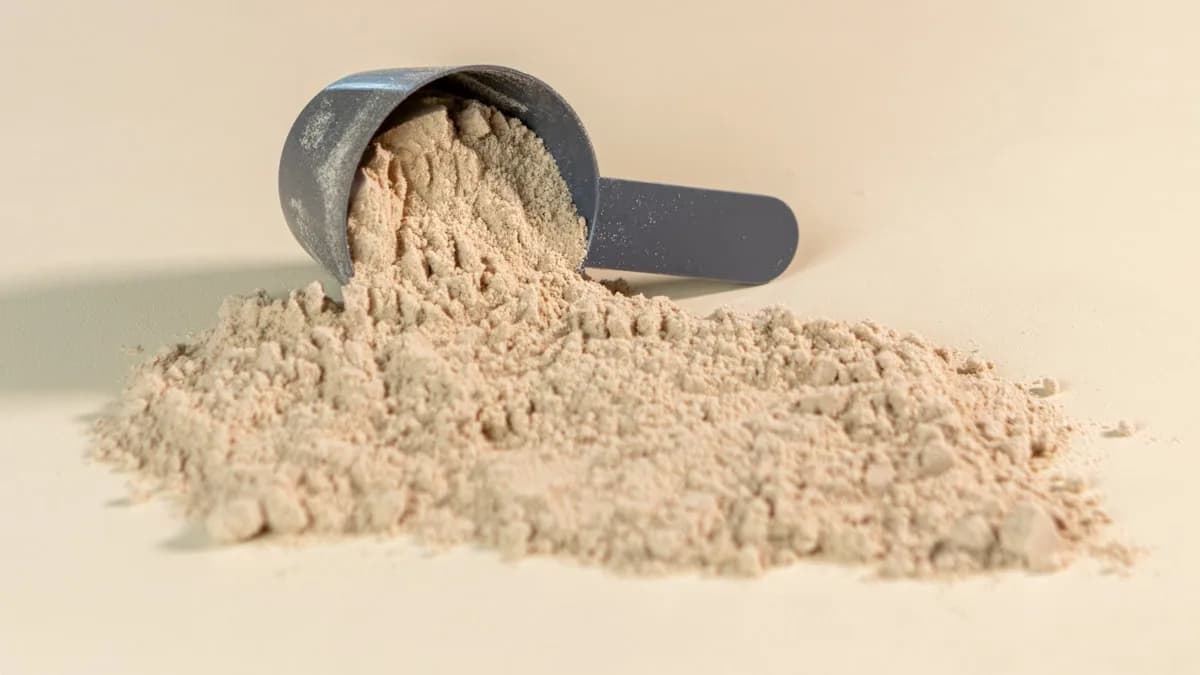
Collagen supplements are sold as powders, capsules, liquids and gummies, and are marketed to support skin elasticity, hydration, joint comfort, and stronger hair and nails. Almost all use hydrolysed collagen (also called collagen peptides), which means the collagen has been broken into shorter chains so it is easier to absorb. The important caveat: once you swallow it, your digestive system treats collagen like any other protein and breaks it into amino acids, which your body can use however it chooses, not necessarily to build skin collagen.
Collagen types, briefly Products list Roman numerals to describe the collagen type. Type I is the most common in skin, bone and tendon; Type II is found mainly in cartilage and is marketed for joints; Type III sits alongside Type I in skin and blood vessels. Marine collagen is mostly Type I, while bovine collagen typically supplies Types I and III. The type tells you what the product is aimed at, but it does not ensure a benefit.
Do Collagen Supplements Actually Work? What the Evidence Says
This is a category where the honest answer is 'possibly, a little, for some things'. The strongest evidence is for skin. Consumer group CHOICE notes that taking daily collagen of between 2.5 g and 10 g showed promising results for skin ageing, and could help improve skin elasticity and hydration. Several randomised controlled trials over 8 to 12 weeks back this up, though many are funded by supplement manufacturers and use products that also contain vitamins and antioxidants, which makes the collagen's own contribution hard to isolate.
For joints, the picture is more modest. Some trials in people with osteoarthritis or in athletes with activity-related joint pain report small improvements in comfort with around 10 g of hydrolysed collagen daily, or much smaller doses of undenatured Type II collagen, taken over several months. For hair, nails and gut health, the human evidence is limited and largely anecdotal. One small study using 2.5 g of collagen peptides daily for 24 weeks reported faster nail growth and less breakage, but it had no comparison group. The table below summarises where things stand.
| Claimed benefit | Evidence level | What the studies suggest |
|---|---|---|
| Skin elasticity & hydration | Moderate | Several 8-12 week randomised trials at 2.5-10 g/day report small improvements; many are industry-funded. |
| Fine lines / wrinkles | Limited-Moderate | Some trials show a modest reduction in wrinkle depth; effect sizes are small and results vary. |
| Joint comfort | Limited-Moderate | Modest benefit in some osteoarthritis and athlete studies (~10 g/day, or low-dose Type II) over months. |
| Nail strength & growth | Limited | One small 24-week study (2.5 g/day) reported faster growth and less breakage, but no control group. |
| Hair thickness | Weak | Little direct human trial evidence; most claims are extrapolated or based on combination products. |
| Gut health | Weak / Anecdotal | Popular online claims outpace the human trial data; benefit is not established. |
| Bone density | Limited | One 12-month trial in postmenopausal women suggested benefit; needs independent replication. |
Marine vs Bovine Collagen: Which Type Should You Choose?
The two most common sources on Australian shelves are marine collagen (from fish skin and scales) and bovine collagen (from cow hides and bones). Both are usually sold as hydrolysed peptides and are absorbed similarly. The main practical differences come down to the collagen types they supply, dietary suitability, allergens and price. Marine collagen is mostly Type I and is marketed heavily for skin; bovine collagen supplies Types I and III and is often positioned for skin plus joints and general recovery.
| Feature | Marine collagen | Bovine collagen |
|---|---|---|
| Source | Fish skin and scales | Cattle hides and bones |
| Main collagen types | Mostly Type I | Types I and III |
| Often marketed for | Skin, hair, nails | Skin plus joints and recovery |
| Dietary notes | Pescatarian-friendly; not vegan | Not suitable if avoiding beef; not vegan |
| Allergen caution | Avoid with fish allergy | Avoid if you react to bovine products |
| Typical cost | Usually higher per gram | Often lower per gram |
There is no vegan collagen All collagen supplements come from animals, so a product labelled 'vegan collagen' does not contain collagen. Instead it usually provides nutrients your body uses to make its own collagen, such as vitamin C, zinc and certain amino acids. That can be reasonable, but it is a different product from a collagen peptide supplement, so read the ingredient list carefully.
How Much Collagen, and How Long Before You Judge It?
Clinical trials generally use between 2.5 g and 15 g of hydrolysed collagen peptides per day. Skin studies often sit at the lower end (2.5 to 10 g), while joint studies tend to use around 10 g of hydrolysed collagen, or much smaller doses (around 40 mg) of undenatured Type II collagen. More is not automatically better, and a product boasting a very high number on the label is not necessarily more effective. Check that the dose per serve falls within the studied range rather than paying for a bigger scoop.
- Match the dose to the goal: skin studies commonly use 2.5-10 g/day; general joint studies commonly use around 10 g/day of hydrolysed collagen.
- Give it time: benefits in trials typically appear after 8 to 12 weeks of daily use, so a two-week trial tells you very little.
- Take it consistently: a daily habit matters more than the time of day. Powders mix into coffee, smoothies or water.
- Vitamin C helps: your body needs vitamin C to make collagen, which is why some products add it. A balanced diet usually covers this already.
- Watch the extras: flavoured powders and 'beauty blends' can add sugar, sweeteners or caffeine, so read the label if that matters to you.
Who Might Reasonably Benefit, and the Role of Food
If you are curious about skin firmness or hydration and are happy to trial a supplement for a couple of months, collagen is low-risk and may offer a small benefit. People with activity-related joint discomfort sometimes trial it too, with more modest expectations. What collagen cannot do is replace the fundamentals: not smoking, protecting your skin from UV, sleeping well and eating enough total protein all do more for skin and joints than any powder.
You do not strictly need a supplement to support collagen production. Your body builds collagen from amino acids found in everyday protein foods such as eggs, dairy, fish, meat, legumes and soy, along with vitamin C from fruit and vegetables. Bone broth and the skin of fish or chicken contain collagen directly, though amounts vary. For many people, a protein-adequate diet is the simplest and most cost-effective foundation, with a supplement as an optional extra rather than a necessity.
Safety, Side Effects and Who Should Check First
Collagen supplements are generally well tolerated. The most common complaints are mild and digestive, such as a feeling of fullness, bloating or an unpleasant aftertaste with some marine products. Because supplements in Australia are regulated by the Therapeutic Goods Administration (TGA) as listed medicines, look for an AUST L number on the packaging, which indicates the product has been assessed for safety and quality. Listing does not mean the TGA has verified every marketing claim about effectiveness.
Talk to your pharmacist or GP before starting if this is you Collagen is low-risk for most healthy adults, but some people should get tailored advice first:
- Fish or shellfish allergy: avoid marine collagen, which is made from fish.
- Beef or bovine sensitivity, or dietary/religious reasons to avoid cattle products: choose accordingly or skip bovine collagen.
- Pregnancy or breastfeeding: safety data are limited, so check before starting any new supplement.
- Kidney disease or a medically restricted protein intake: extra protein from collagen may not be appropriate.
- Taking other supplements or medicines: ask your pharmacist about the whole picture, especially with 'beauty blends' that add other actives.
- New or worsening joint or skin symptoms: see your GP to identify the cause rather than relying on a supplement.
FAQ
What is the best collagen supplement in Australia?
There is no single best product, because the right choice depends on your goal, your diet and your budget. Rather than chasing the biggest number on the label, look for a supplement that clearly states the collagen type and the dose per serve, sits within the studied range (roughly 2.5 to 15 g of hydrolysed collagen), and carries an AUST L number. If you want a skin-focused option and eat fish, marine collagen is a common pick; for skin plus general recovery, bovine collagen is often more economical. Match the source to any allergies or dietary preferences.
Are collagen supplements actually worth it?
It depends on your expectations. If you want a possible small improvement in skin elasticity or hydration and are willing to trial a product daily for a couple of months, the evidence suggests it may help some people and the risk is low. If you are expecting dramatic anti-ageing results or a fix for significant joint problems, you are likely to be disappointed. Collagen is best seen as an optional extra on top of the basics of sun protection, not smoking and adequate dietary protein.
What is the most effective form of collagen to take?
Hydrolysed collagen, also called collagen peptides, is the form used in most clinical trials and is broken down for easier absorption. Powders and capsules deliver the same peptides; powders simply make it easier to reach a higher dose. Marine collagen (mostly Type I) is favoured for skin, while bovine collagen (Types I and III) is common for skin plus joints. For joint-specific use, some products use low-dose undenatured Type II collagen instead. No single form is proven superior across the board, so choose based on your goal and dietary needs.
Should I take collagen if I'm on HRT?
There is no well-established interaction between collagen supplements and hormone replacement therapy, and collagen is a food-derived protein rather than a hormone. That said, everyone's situation is different, and menopause, HRT and skin or bone health can be intertwined. The sensible step is to mention any supplement you are considering to your GP or pharmacist so they can factor in your full history and medicines, rather than assuming it is fine or that it is a problem.
Who should not take collagen?
People with a fish or shellfish allergy should avoid marine collagen, and anyone avoiding beef for medical, dietary or religious reasons should steer clear of bovine collagen. Because collagen adds to your protein intake, people with kidney disease or a medically restricted protein diet should check with their doctor first. Safety data in pregnancy and breastfeeding are limited, so those groups should seek advice before starting. If in doubt, ask your pharmacist or GP.
Is 55 too late to start taking collagen?
No. Natural collagen production slows with age, so older adults are among the groups often studied, and many skin trials include people well beyond their 50s. Starting later does not make a supplement useless, though it also will not turn back the clock. As with any age, give it at least 8 to 12 weeks, keep expectations realistic, and remember that sun protection and overall nutrition remain the biggest levers for skin and joint health.
Disclaimer This article is for informational purposes only and does not constitute medical advice. Always read the label and follow the directions for use. If symptoms persist, talk to your health professional. See your pharmacist or GP for advice tailored to your situation.
The verdict
Collagen supplements may modestly support skin elasticity and hydration for some people at studied doses (roughly 2.5-15 g of hydrolysed collagen peptides daily for 8-12 weeks), with more limited support for joint comfort and little solid evidence for hair, nails or gut health. They are generally well tolerated but are not a substitute for sun protection, a protein-adequate diet or medical treatment. Choose a product that lists the collagen type and dose, match marine or bovine to your dietary needs, trial it for at least 8 weeks, and speak to your pharmacist or GP first if you are pregnant, breastfeeding, or have an allergy to fish or beef.
Related health topics
Medical disclaimer
This information is general in nature and isn’t a substitute for professional medical advice. Always read the label and follow the directions for use. Talk to your pharmacist or doctor about what’s right for you.
More Vitamins & supplements guides
Vitamins & supplements11 min read
Fish Oil & Omega-3 Benefits: An Honest Australian Guide (2026)
Fish oil is Australia's top-selling supplement, but what does the evidence actually show? An honest guide to EPA, DHA, doses, forms and who really needs it.

Vitamins & supplements11 min read
Magnesium Benefits and Types: Which Form Is Right for You? (Australia 2026)
Glycinate, citrate, oxide or threonate? An Australian guide to magnesium benefits, the best form for sleep, cramps and stress, plus dosing and cautions.

Vitamins & supplements12 min read
Vitamin D Deficiency Australia: Symptoms, Testing & Supplements (2026)
Nearly 1 in 4 Australians has low vitamin D. Learn the symptoms, what your nmol/L result means, how much sun you need, and which supplements may help.