Guide
Best Protein Powder in Australia: Whey vs Plant Guide
Whey concentrate, isolate, casein or plant protein — what the evidence says about daily protein targets, how to read a label, and who should choose which type.
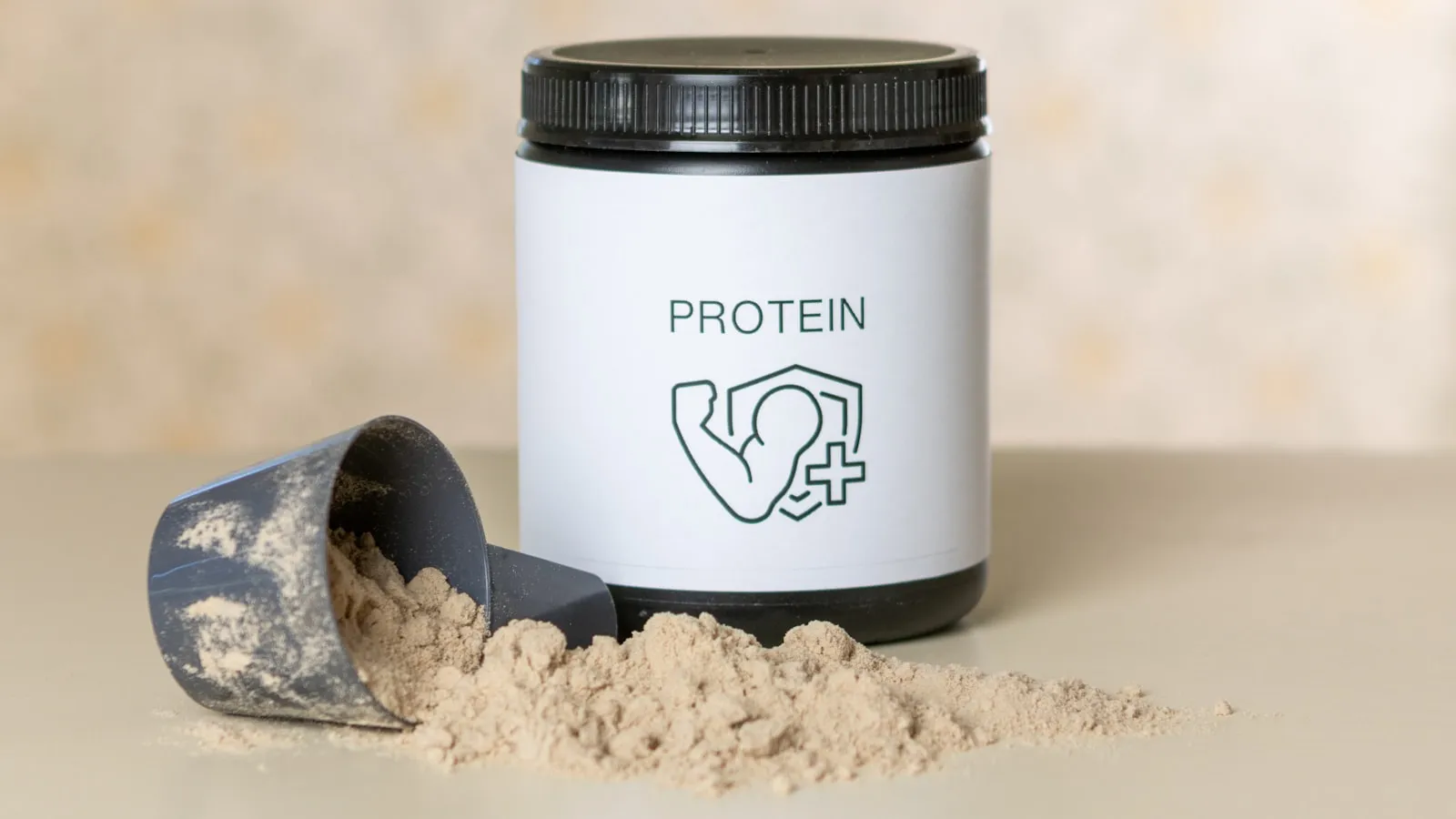
Key takeaways
- Protein powder is a convenient way to top up your daily protein intake, not a requirement for building muscle. Whey (concentrate, isolate or hydrolysate) is fast-digesting and rich in leucine; plant blends (pea, soy, rice) suit vegans, the dairy-intolerant or personal preference. Total daily protein matters far more than the type of powder or the exact timing of your shake. Read the label for protein-per-serve and added sugar, and choose a batch-tested brand if you compete in a drug-tested sport.
Straight to it Protein powder is a concentrated, convenient source of dietary protein — nothing more mystical than that. Whey (from dairy) digests quickly and is naturally rich in leucine, the amino acid most linked to muscle protein synthesis; whey isolate is more filtered and lower in lactose than concentrate, while hydrolysate is pre-broken-down for faster absorption. Plant proteins (pea, soy, rice or blends) suit vegans, the dairy-intolerant, or anyone who prefers them, and blends are formulated so no essential amino acid falls short. Most adults doing regular resistance training benefit from around 1.2 to 2.0 grams of protein per kilogram of body weight per day, spread across meals — a powder just makes that easier to hit on a busy day. The so-called 'anabolic window' is far less strict than marketing suggests; your total daily protein intake matters more than exact timing. Read the nutrition panel for protein-per-100g and added sugar rather than trusting the tub's front label, and if you compete in a drug-tested sport, stick to batch-tested brands (HASTA or Informed Sport).
Do You Actually Need Protein Powder?
Protein powder contains nothing you cannot get from whole food — it is simply a faster, more concentrated way to get protein into your system than cooking and eating an equivalent amount of chicken, eggs, tofu or lentils. Its real value is convenience: after a training session, on a busy work day, or when you are travelling and whole food isn't practical, a shake is quicker to prepare and easier to digest than a full meal.
General health guidelines from the National Health and Medical Research Council put the recommended dietary intake for adults at around 0.8 grams of protein per kilogram of body weight per day. People doing regular resistance or endurance training, or actively trying to build muscle, typically benefit from more — roughly 1.2 to 2.0 grams per kilogram per day, according to position statements from bodies such as the International Society of Sports Nutrition. Many Australians already meet the lower end of that range through diet alone. A powder is a top-up for a gap in your day, not a foundation you need to build a training program around.
Food first Sports Dietitians Australia and the Australian Institute of Sport both take a food-first position on protein: prioritise whole foods (meat, fish, eggs, dairy, legumes, tofu) and use powders to fill genuine gaps or for convenience. No amount of protein powder will build muscle without adequate resistance training and total energy intake.
Whey Protein: Concentrate vs Isolate vs Hydrolysate
Whey is a dairy-derived, fast-digesting protein that contains all nine essential amino acids, including a relatively high level of leucine — the amino acid most closely linked to triggering muscle protein synthesis. It comes in three main forms, which differ mainly in how much they have been filtered.
- Whey concentrate: The least processed and most economical form, typically around 70-80% protein by weight, with some residual lactose, fat and carbohydrate. A solid, budget-friendly all-rounder for most people.
- Whey isolate: Further filtered to remove more lactose, fat and carbohydrate, typically 90%+ protein by weight. Digests slightly faster and suits people who are mildly lactose-sensitive, though it usually costs more per serve.
- Whey hydrolysate: Pre-broken-down (partially hydrolysed) into smaller peptide chains for faster absorption. It is typically the most expensive form and the extra speed of absorption offers little practical benefit for most recreational trainers.
For most people, the practical difference between concentrate and isolate comes down to lactose tolerance and budget rather than any meaningful difference in muscle-building outcomes. If dairy sits fine with you, concentrate is perfectly adequate; if you notice bloating or digestive upset from concentrate, isolate is worth the extra cost.
Casein: the slow-release dairy protein
Casein is the other major dairy protein, digested much more slowly than whey because it forms a gel in the stomach. Some people use it before bed on the theory that a slow, steady release of amino acids overnight supports recovery, though the evidence for a meaningful practical advantage over simply meeting your total daily protein target is limited. It is a reasonable option if you like the thicker, pudding-like texture, but not essential.
Plant Protein: Pea, Soy, Rice and Blends
Plant-based powders are a good option if you are vegan, dairy-intolerant, or simply prefer to avoid dairy. The main consideration with plant proteins is amino acid completeness — some individual plant proteins are naturally lower in one or more essential amino acids.
- Pea protein: Rich in the branched-chain amino acids, but relatively low in methionine. A popular, allergen-friendly base for vegan blends.
- Rice protein: Low in lysine but complements pea protein well, which is why pea-rice blends are common — combined, they cover the amino acid gaps of each.
- Soy protein: Naturally a complete protein (it contains all nine essential amino acids in reasonable amounts) and well studied. Some people prefer to avoid it due to personal taste or soy sensitivity, though there is no good evidence that moderate soy intake is harmful for the general population.
- Blends: Multi-source formulas (for example pea + rice + sunflower) are specifically designed to provide a more complete amino acid profile than any single plant source alone.
Plant proteins are typically slightly lower in leucine per serve than whey, and some people find the texture grainier and the taste more noticeable, especially in water rather than milk. For most recreational trainers hitting their overall daily protein target, the practical difference between a well-formulated plant blend and whey is small.
Protein Powder Types Compared
Actual protein content and price vary by brand, so always check the nutrition panel on the specific product rather than relying on the category averages below.
| Type | Typical protein per serve | Best for | Lactose | Relative cost |
|---|---|---|---|---|
Whey concentrate | ~20-24g per 30g scoop | Budget all-rounder, general use | Some (low-moderate) | $ |
Whey isolate | ~24-27g per 30g scoop | Mild lactose sensitivity, leaner macros | Very low | $$ |
Whey hydrolysate | ~24-27g per 30g scoop | Fastest absorption (marginal benefit) | Very low | $$$ |
Casein | ~20-24g per 30g scoop | Slow-release, before bed | Some (low-moderate) | $$ |
Pea / rice / plant blend | ~18-24g per 30-35g scoop | Vegan, dairy-free, plant preference | None | $$ |
Soy protein | ~20-25g per 30g scoop | Vegan with a complete amino profile | None | $$ |
How Much Protein Powder Per Day, and When
Work out your daily protein target first (roughly 0.8g/kg for general health, or 1.2-2.0g/kg if you train regularly), then use food to get as close to it as practical, and fill any remaining gap with a shake. Most people need at most one to two serves of powder a day — more than that usually means the powder has become the main protein source rather than a top-up, which is a more expensive way to eat than whole food.
On timing, the idea of a narrow post-workout 'anabolic window' that you must hit within 30 minutes has been largely overstated by marketing. Research suggests total daily protein intake, spread reasonably evenly across three to four meals, matters far more than precisely timing a shake around training. Having a shake within a couple of hours of training is sensible and convenient, but there is no need to rush a shake down in the change room to avoid 'missing the window'.
How to Read a Protein Powder Label
- Check protein per 100g, not just per serve: Serve sizes vary between brands, so protein-per-100g lets you compare value and concentration fairly.
- Look at added sugar: Some flavoured powders carry several grams of added sugar per serve. Check the nutrition panel, not just 'low sugar' front-of-pack claims.
- Watch for amino acid spiking: A small number of lower-quality products bulk out their amino acid profile with cheap, non-essential amino acids (like glycine or taurine) to inflate the total protein figure on the label. A tight, well-known essential amino acid profile with a reputable brand is a good sign.
- Ingredient list length: A short ingredient list (protein source, flavouring, a sweetener, an emulsifier) is generally preferable to long lists of fillers and proprietary blends with undisclosed doses.
- Serving size realism: If the recommended serve looks unusually large to hit an impressive protein figure, check the per-100g number to see the true concentration.
Quality, Contamination and Batch Testing
Supplements, including protein powders, are regulated less tightly than registered medicines in Australia. Independent testing has occasionally found products with protein content below label claims, or containing undeclared substances. For most recreational users this is mainly a value-for-money issue, but for anyone competing in a drug-tested sport, it can end a career.
Competitive or drug-tested athletes: use batch-tested products only If you compete in a sport with anti-doping testing, only use protein powders carrying independent batch-testing certification such as HASTA (Australian) or Informed Sport (international). Athletes are held responsible for anything found in their system regardless of intent, so certification matters even for a 'clean' ingredient like protein powder.
Who Should Be Cautious With Protein Powder
- Kidney disease: High protein intake can place extra load on impaired kidneys. If you have kidney disease or reduced kidney function, check with your GP before adding a protein supplement.
- Lactose intolerance: Whey concentrate and casein contain some residual lactose. If you are lactose intolerant, choose whey isolate (very low lactose) or a plant-based protein instead.
- Milk or soy allergy: Choose a powder that avoids your specific allergen — for example, a pea or rice-based product for a dairy or soy allergy. Always check the allergen statement on the label.
- Pregnancy and breastfeeding: Protein needs increase somewhat during pregnancy and breastfeeding, but this is usually achievable through diet. Speak to your GP or a dietitian before adding a supplement.
- Children and teenagers: Growing bodies generally get adequate protein through a normal diet. Speak to a GP or dietitian before giving a child or teenager a protein supplement.
- Existing medical conditions or medicines: If you take regular medicines or manage a chronic condition, check with your pharmacist or GP before starting a new supplement.
Flavour, Mixability and Practical Tips
- Mixability varies by type: Whey isolate and hydrolysate generally mix more smoothly than concentrate; plant proteins can be grainier, especially in water rather than milk.
- Try a small size first: Flavour preference is personal and large tubs are poor value if you dislike the taste. Many Australian retailers sell small sample sachets or single-serve sizes to trial before committing to a full tub.
- Milk vs water: Mixing with milk (dairy or plant-based) adds extra protein and a creamier texture but also extra kilojoules; water keeps it lighter if you are managing total energy intake.
- Storage: Keep tubs sealed and away from moisture and direct sunlight to prevent clumping and preserve flavour.
Frequently Asked Questions
Do I need protein powder to build muscle?
No. Protein powder is a convenience, not a requirement. Building muscle depends on hitting your total daily protein target alongside consistent resistance training and adequate overall energy intake, and you can reach that protein target entirely through whole foods such as meat, fish, eggs, dairy, legumes and tofu. A powder simply makes it easier to top up on days when cooking enough protein-rich food is impractical.
Whey vs plant protein: which is better?
Neither is definitively 'better' — they suit different situations. Whey digests quickly and is naturally rich in leucine, which is why it is popular around training, but a well-formulated plant blend (such as pea plus rice) provides a similarly complete amino acid profile. For most recreational trainers, hitting your total daily protein target matters far more than whether it comes from whey or plants. Choose plant protein if you are vegan, dairy-intolerant, or simply prefer it; choose whey if you tolerate dairy well and want the most cost-effective option per gram of protein.
How much protein powder should I have per day?
Most people need at most one to two serves a day, used to close the gap between what they eat and their overall daily protein target (roughly 0.8g/kg for general health, or 1.2-2.0g/kg per day if you train regularly). Protein powder is meant to top up your diet, not replace whole food as your main protein source.
Is protein powder safe?
For most healthy adults, protein powder used at label-recommended doses is well tolerated, and major sports nutrition bodies consider moderate-to-high protein intakes safe for people without kidney disease. The main practical issues are digestive discomfort from lactose (with concentrate or casein) and choosing a reputable, batch-tested brand to avoid contamination. If you have kidney disease, another chronic health condition, or take regular medicines, check with your GP or pharmacist before adding a protein supplement.
When should I drink a protein shake?
Any time that's convenient for you and helps you hit your daily protein target — there is no strict 'anabolic window' you need to catch within minutes of finishing a workout. Having a shake within a couple of hours of training is a sensible, practical habit, but research indicates total daily protein intake spread across meals matters more than exact timing.
Can protein powder cause weight gain?
Protein powder itself is not fattening, but like any food, it contributes kilojoules, and flavoured varieties can carry added sugar. If your total daily energy intake exceeds what you burn, you will gain weight regardless of whether those kilojoules came from a shake or a meal. If you're managing your weight, factor shakes into your total daily energy intake the same way you would any other food or drink.
Disclaimer This article is for informational purposes only and does not constitute medical advice. Always read the label and follow the directions for use. If symptoms persist, talk to your health professional. See your pharmacist or GP for advice tailored to your situation.
The verdict
There is no single 'best' protein powder — the right choice depends on your goals, budget and tolerance. Whey isolate suits anyone mildly lactose-sensitive who wants a fast-digesting option; whey concentrate is the most economical all-rounder; a pea-rice blend is a solid vegan choice with a complete amino acid profile. Whatever you pick, check the protein-per-serve on the actual nutrition panel rather than the front-of-pack claims, keep an eye on added sugar, and remember the powder is a top-up to your diet, not a substitute for it. If you have kidney disease or another chronic health condition, check with your GP or pharmacist before adding a high-protein supplement to your routine.
Related health topics
Medical disclaimer
This information is general in nature and isn’t a substitute for professional medical advice. Always read the label and follow the directions for use. Talk to your pharmacist or doctor about what’s right for you.
More Vitamins & supplements guides

Vitamins & supplements8 min read
Creatine Guide (Australia): Dosing, Benefits & Safety
How creatine works, why monohydrate beats the fancier forms, how much to take and when, and what the evidence really says about safety and the kidney myth.
Vitamins & supplements7 min read
Sports Supplements Guide: Protein, Creatine & More
Your quick-start overview of sports supplements in Australia — what the evidence supports for protein, creatine, electrolytes and pre-workout, with links to our full protein and creatine guides.
Sleep, stress & quitting9 min read
Supplements for Energy & Tiredness (Australia)
Most "energy" supplements only work if you're actually deficient. We explain what iron, B vitamins, vitamin D and caffeine tablets can and can't do.