Best Of
Best Pain Relief Patches Australia (2026): Medicated, Heat & Menthol
Compare the top pain relief patches available in Australia — Voltaren, Salonpas, Deep Heat and more — and find which type may best suit your muscle or joint discomfort.
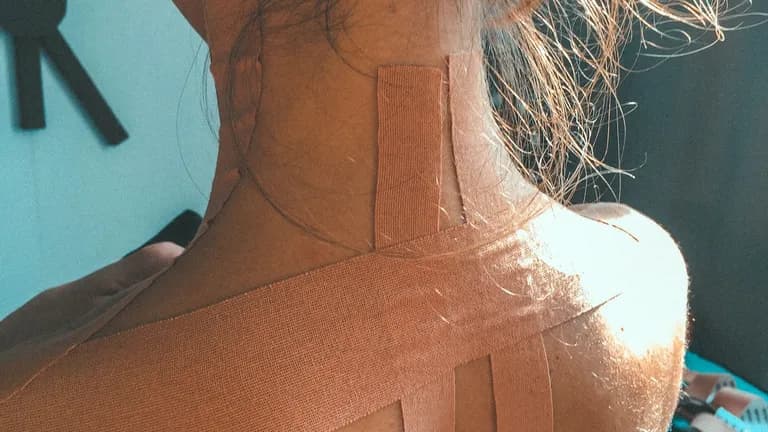
Key takeaways
- Pain relief patches come in three main types: NSAID (diclofenac), heat therapy, and menthol/counter-irritant. The right choice depends on the cause of your pain, how long you need relief, and your budget. Note that in Australia diclofenac is more commonly sold as a gel than a patch, so medicated patch availability is limited.
Top pick
Deep Heat Pain Relief Heat Patch — widely available, drug-free heat patches that may help relax tight muscles and ease stiffness
Best value
Salonpas Pain Relief Patches — affordable menthol/methyl salicylate patches with a low cost per patch
Pain relief patches are one of the most convenient ways to manage localised muscle and joint pain. You stick one on, get on with your day, and the patch does the work — delivering relief directly where you need it, without needing to swallow tablets or reapply gel every few hours. But walk into a Chemist Warehouse or Priceline Pharmacy and you will find a confusing range of options: medicated NSAID patches, self-heating patches, menthol patches, and everything in between. Which one actually works, and which is right for your pain?
We compared the main pharmacy options by ingredient, how they relieve pain, how long they last, how comfortable they are to wear, and whether the price is justified.
For muscle and joint discomfort, Salonpas Pain Relief Patches and heat patches such as Deep Heat Patch are among the most widely available over-the-counter options in Australian pharmacies. The right type depends on the cause: heat patches suit muscle tightness and stiffness, menthol patches like Salonpas may help with mild localised discomfort, and NSAID-based (diclofenac) patches are typically used where inflammation is the main driver — though in Australia diclofenac is more commonly sold as a gel than a patch. Always read the label, don't combine a topical NSAID patch with oral ibuprofen without advice, and ask a pharmacist if you're unsure.
How We Assessed
- Active ingredient and mechanism: Does it contain a proven anti-inflammatory (NSAID), generate therapeutic heat, or use counter-irritant compounds?
- TGA listing: All products must hold a valid AUST L or AUST R registration.
- Duration of relief: How long does each patch work before needing replacement?
- Comfort and wearability: Can you wear it discreetly under clothing? Does it stay in place during movement?
- Price per patch: Calculated from typical Australian pharmacy retail prices as of early 2026.
- Availability: Widely stocked at Chemist Warehouse, Priceline Pharmacy, Amcal, and Terry White Chemmart.
How Do Pain Relief Patches Work?
Not all pain patches work the same way. There are three fundamentally different approaches, and understanding them is key to choosing the right patch for your situation.
1. Medicated NSAID Patches (Transdermal Delivery)
These contain a non-steroidal anti-inflammatory drug (NSAID) — most commonly diclofenac — embedded in an adhesive matrix. The drug is absorbed through the skin into the underlying tissue, where it acts on inflammation locally. This is known as transdermal delivery. Because the active ingredient is delivered to the affected muscles and joints locally, the systemic dose is lower than swallowing an anti-inflammatory tablet. In Australia, though, diclofenac is far more commonly sold as a gel (such as Voltaren Emulgel) than as a patch, so medicated patch options at the pharmacy are limited.
2. Heat Therapy Patches
Heat patches contain iron powder, activated charcoal, salt, and water. When exposed to air after you open the packaging, an oxidation reaction generates sustained, gentle heat — typically between 40 and 45 degrees Celsius. This warmth increases blood flow to the area, relaxes tight muscles, and eases stiffness. Heat patches contain no medication at all, making them suitable for people who want to avoid drugs. They are particularly effective for muscle tension and stiffness rather than acute inflammation. Deep Heat and Dencorub both offer heat patches in Australia.
3. Menthol and Counter-Irritant Patches
These patches contain ingredients like menthol, methyl salicylate, or camphor. They work through counter-irritation, meaning they stimulate sensory nerve endings in the skin and create a cooling or warming sensation that competes with the pain signal. They do not treat the underlying inflammation, but they can still be useful for short-term relief of milder muscular aches. Salonpas and Tiger Balm patches fall into this category.
Types of Pain Relief Patches Compared
| Type | How It Works | Evidence Strength | Best For | Duration |
|---|---|---|---|---|
Medicated NSAID | Delivers anti-inflammatory drug through skin | Strong | Joint pain, soft tissue injuries, inflammation | Up to 12 hours |
Heat Therapy | Iron-powder oxidation generates sustained warmth | Moderate | Muscle tension, stiffness, menstrual cramps | 8–12 hours |
Menthol / Counter-irritant | Cooling/warming sensation blocks pain signals | Limited–Moderate | Mild muscular aches, minor sprains | 4–8 hours |
Our Top Picks
Best for Inflammation-Driven Pain: Voltaren Diclofenac Patch (Where Available)
Where a medicated patch is what you're after, Voltaren's diclofenac patch is the standout because it does something the others do not: it delivers diclofenac, an NSAID, through the skin to the sore area, where it acts on inflammation. That makes it a sensible option when inflammation is part of the problem, such as a sprain, strain, or irritated joint. The catch in Australia is availability — diclofenac is sold here far more often as a gel than a patch, so you may not find the patch on every pharmacy shelf. If you can't source it, a topical diclofenac gel is the more common equivalent.
Voltaren Medicated Pain Relief Patch (Diclofenac 140mg)
Medicated NSAID patch delivering diclofenac directly to the site of pain. Provides up to 12 hours of anti-inflammatory relief for muscle and joint pain.
Where to buy · Voltaren Medicated Pain Relief Patch (Diclofenac 140mg)
Chemist WarehouseView
We may earn a commission from these links. It never affects our rankings.
Contains diclofenac, an NSAID, so it is designed to act on inflammation rather than just mask discomfort
Up to 12 hours of wear per patch — hands-free, no reapplying
Thin, discreet design that stays in place under clothing
Delivers a lower systemic dose than swallowing diclofenac tablets
Limited availability in Australia — diclofenac is far more common as a gel here
Most expensive option per patch (typically $5–8 per patch)
Not suitable for people with NSAID allergies or aspirin-sensitive asthma
One patch at a time — cannot cover multiple areas at once
Don't combine with oral ibuprofen or other NSAIDs without pharmacist advice (double-dosing risk)
Diclofenac in Australia: Patch vs Gel In Australia, diclofenac is most widely sold over the counter as a gel (such as Voltaren Emulgel) rather than as a medicated patch — patch availability is limited and can vary between pharmacies. Both deliver diclofenac to the area; the patch offers hands-free, sustained wear, while the gel lets you cover larger or more awkward areas. If you specifically want a patch and can't find one, ask your pharmacist about the diclofenac gel as the more common alternative.
Best Heat Patch: Deep Heat Pain Relief Heat Patch
Deep Heat's heat patches use an iron-powder oxidation reaction to generate up to 8 hours of continuous, drug-free warmth. They are ideal for lower back stiffness, neck tension, and the kind of muscle tightness that responds well to a hot water bottle — except you can wear one to work. The adhesive patch sits directly on your skin or over a thin layer of clothing, delivering consistent warmth without the bulk of a wheat bag or the inconvenience of reheating. Deep Heat is one of Australia's most recognised pain relief brands, and these patches are widely stocked.
Deep Heat Pain Relief Heat Patch
Self-heating patch that provides up to 8 hours of continuous heat therapy for muscular pain and stiffness. Iron-powder activated — no medication required.
Where to buy · Deep Heat Pain Relief Heat Patch
Chemist WarehouseView
We may earn a commission from these links. It never affects our rankings.
No medication — suitable for people wanting drug-free relief
Up to 8 hours of consistent, soothing warmth
Excellent for lower back pain, neck stiffness, and muscle tension
Can be worn discreetly under work clothing
Widely available at all major Australian pharmacies
No anti-inflammatory action — heat only
Not suitable for acute injuries with swelling (ice is better for the first 48 hours)
Some users find them too warm on hot days
Single-use only — cannot be reapplied once removed
Best Menthol Patch: Salonpas Pain Relief Patch
Salonpas is a Japanese brand with decades of history in topical pain relief. Their patches combine methyl salicylate and menthol to deliver a cooling sensation that helps override pain signals. The thin, flexible design makes them comfortable for wearing on curved body parts like shoulders and knees. They are available in various sizes, including larger patches suitable for the back. Where Salonpas really excels is value — they typically come in multi-packs that work out to well under $2 per patch, making them the most affordable option for ongoing use.
Salonpas Pain Relief Patch (Methyl Salicylate & Menthol)
Counter-irritant patch combining methyl salicylate and menthol for temporary relief of mild muscular aches and pains. Thin, flexible design.
Where to buy · Salonpas Pain Relief Patch (Methyl Salicylate & Menthol)
Chemist WarehouseView
We may earn a commission from these links. It never affects our rankings.
Best value per patch — multi-packs bring cost well under $2 each
Thin, flexible design conforms well to body contours
Available in multiple sizes for different body areas
Mild, pleasant menthol cooling sensation
Well-established brand with long safety track record
Counter-irritant only — does not reduce inflammation
Shorter duration than NSAID or heat patches (typically 4–8 hours)
May not provide sufficient relief for moderate to severe pain
Menthol scent may be noticeable to others in close quarters
Best Cooling Patch: Tiger Balm Pain Relieving Patch
Tiger Balm has been a household name in pain relief for over a century, and their patches carry over the same menthol-based cooling approach as the iconic balm. These patches deliver a noticeable cooling sensation that many users find refreshing and effective for mild aches, particularly after exercise or a long day on your feet. The patch format avoids the greasy residue of the traditional ointment, and the adhesive holds well during normal daily activities. Available at virtually every pharmacy in Australia.
Tiger Balm Pain Relieving Patch
Menthol-based pain relief patch providing a cooling sensation for temporary relief of minor muscular aches, sprains, and strains.
Where to buy · Tiger Balm Pain Relieving Patch
Chemist WarehouseView
We may earn a commission from these links. It never affects our rankings.
Strong, recognisable cooling sensation — satisfying immediate relief
No greasy residue unlike the traditional Tiger Balm ointment
Iconic trusted brand available at every Australian pharmacy
Good adhesion during normal daily movement
Counter-irritant only — no anti-inflammatory properties
Strong menthol scent may not suit everyone
Slightly higher price per patch than Salonpas for similar mechanism
May cause skin irritation in people sensitive to menthol
Best Budget Heat Patch: Dencorub Pain Relieving Heat Patches
Dencorub is a well-known Australian brand that has been in the topical pain relief market for decades. Their heat patches offer a solid, no-frills alternative to Deep Heat at a slightly lower price point. They use the same iron-powder heating technology and provide sustained warmth for up to 12 hours. If you are after a heat patch and want to save a few dollars, Dencorub delivers the same warming benefit without the brand premium.
Dencorub Pain Relieving Heat Patches
Self-heating patch for temporary relief of muscular aches and pains. Australian brand providing sustained warmth for up to 12 hours.
Where to buy · Dencorub Pain Relieving Heat Patches
Chemist WarehouseView
We may earn a commission from these links. It never affects our rankings.
Trusted Australian brand — decades of local market presence
Up to 12 hours of sustained heat — longer than many competitors
Often slightly cheaper than Deep Heat patches
Drug-free heat therapy suitable for most adults
Less widely stocked than Deep Heat at some pharmacies
No medicated pain relief — heat only
Like all heat patches, not suitable for fresh injuries with swelling
Single-use and not re-sealable
Pain Relief Patches Comparison Table
| Product | Type | Active Ingredient | Duration | Typical Price Per Patch | Best For |
|---|---|---|---|---|---|
Voltaren Diclofenac Patch (limited availability) | NSAID | Diclofenac | Up to 12 hrs | $5–$8 | Inflammation-driven pain, joint pain, soft tissue injuries |
Deep Heat Heat Patch | Heat Therapy | Iron powder (no drug) | Up to 8 hrs | $3–$5 | Muscle stiffness, lower back tension |
Salonpas Patch | Counter-irritant | Methyl salicylate, menthol | 4–8 hrs | $1–$2 | Mild muscular aches, budget-friendly ongoing use |
Tiger Balm Patch | Counter-irritant | Menthol, camphor | 4–8 hrs | $2–$3 | Mild aches, cooling relief after exercise |
Dencorub Heat Patch | Heat Therapy | Iron powder (no drug) | Up to 12 hrs | $3–$4 | Budget heat therapy, prolonged muscle tension |
Price Note Prices are approximate and based on typical retail prices at major Australian pharmacies in early 2026. Actual prices may vary by store, pack size, and any promotional discounts. Always compare the price per patch rather than the pack price.
When Are Patches Better Than Gels or Oral Pain Relief?
Patches are not always the best choice — but there are specific situations where they have clear advantages over gels like Voltaren Emulgel or oral tablets like Nurofen.
- You need sustained, hands-free relief — patches work for hours without reapplication, unlike gels which need reapplying every 4–6 hours.
- You are at work or on the go — no need to wash hands, no greasy residue, no stopping to reapply.
- You want targeted delivery — the active ingredient (in NSAID patches) or heat stays focused on the affected area.
- You want to reduce systemic side effects — topical patches deliver medication locally, minimising the gastrointestinal side effects associated with oral NSAIDs.
- You have difficulty swallowing tablets — patches bypass the digestive system entirely.
- The pain covers a large or awkward area that a single patch cannot cover.
- You need the fastest possible onset — oral ibuprofen can start working in 20–30 minutes, while patches take longer to reach therapeutic levels.
- Your skin is sensitive to adhesives — some people experience irritation from prolonged patch adhesion.
- You need whole-body pain relief (for example, generalised flu-related body aches).
How to Apply a Pain Relief Patch Correctly
Getting the best results from a pain patch starts with proper application. Follow these steps:
- Clean and dry the skin thoroughly. Oil, sweat, and moisturiser will reduce adhesion and, in medicated patches, reduce drug absorption.
- Do not apply to broken, irritated, or sunburnt skin — ever. This includes cuts, grazes, rashes, or areas of eczema.
- Remove the patch from its sealed packaging and peel off the protective liner. For heat patches, the heating reaction begins immediately on air exposure.
- Press the patch firmly onto the skin for 30 seconds, smoothing down the edges to ensure full contact.
- Rotate the application site each time. Do not apply a new patch to the exact same skin area repeatedly — this reduces the risk of skin irritation.
- Do not wear more patches than directed. For Voltaren medicated patches, the maximum is one patch at a time.
- Follow the recommended maximum wear time. Remove the patch if you experience excessive redness, itching, or a burning sensation.
Safety Information and Warnings
Important Safety Warnings Never apply pain patches to broken, irritated, or infected skin. Do not use heat patches while sleeping — remove before bed to avoid burns. If you experience a severe skin reaction (blistering, swelling, intense redness), remove the patch immediately and seek medical advice.
Don't Double Up on NSAIDs A diclofenac (NSAID) patch and an oral anti-inflammatory like ibuprofen (Nurofen) or oral diclofenac are the same class of medicine. Using a topical NSAID patch at the same time as oral NSAID tablets means you are taking two NSAIDs at once, which can raise the risk of stomach, kidney, and heart-related side effects. If you are already taking oral anti-inflammatories, or you are unsure, check with your pharmacist before adding a medicated patch. This caution does not apply to drug-free heat patches or menthol/counter-irritant patches, which contain no NSAID.
- Skin irritation: The most common side effect. Redness and mild itching at the application site usually resolves after removal. Rotating sites helps prevent this.
- Allergic reactions: Rare, but stop use immediately if you develop hives, swelling, or difficulty breathing. Seek emergency medical attention.
- NSAID patch warnings: If you are allergic to aspirin, ibuprofen, or other NSAIDs, do not use Voltaren patches. They are also not recommended in the third trimester of pregnancy.
- Heat patch caution: Can cause burns if left on too long or applied over thick clothing that traps excessive heat. Never use with external heat sources like hot water bottles or heating pads simultaneously.
- Do not use on children under 12 without medical advice. Most pain patches are formulated for adult use only.
- Disposal: Fold used patches in half (adhesive side inward) and dispose of in household rubbish. Keep used and unused patches out of reach of children and pets — medicated patches can be harmful if ingested.
Pregnancy, Breastfeeding, Children and Other Special Cases
Some groups should be more cautious with pain relief patches, and the safest course is always to check with your pharmacist or GP first rather than self-selecting:
- Pregnancy: NSAIDs such as diclofenac are generally not recommended in pregnancy, particularly from around 20 weeks and in the third trimester. If you are pregnant or trying to conceive, talk to your pharmacist or GP before using any medicated (NSAID) patch, and ask about suitable options for the type of patch.
- Breastfeeding: Speak to your pharmacist or GP before using a medicated patch while breastfeeding so they can advise on what is appropriate for you.
- Children: Most pain relief patches are formulated for adults. Do not use on children under 12 without medical advice — ask your pharmacist or GP about an age-appropriate option instead.
- Other medicines and conditions: If you take blood-thinning medication, have stomach ulcers, kidney or heart problems, asthma, or are sensitive to aspirin or other NSAIDs, get advice before using a diclofenac patch. Even though a patch delivers a lower systemic dose than tablets, the same NSAID precautions apply.
When to See a Doctor Instead
- Pain persists for more than a few days despite using patches or other OTC pain relief.
- Pain is severe, worsening, or accompanied by significant swelling, redness, or warmth in a joint.
- You experience numbness, tingling, or weakness in the affected limb.
- Pain follows a significant injury such as a fall or impact.
- You have a fever alongside muscle or joint pain — this may indicate infection.
- You are using pain relief patches daily for more than a week without improvement.
Frequently Asked Questions
Are pain relief patches better than Voltaren Emulgel?
It depends on your needs. A Voltaren diclofenac patch and Voltaren Emulgel both deliver diclofenac to the affected area. A patch is more convenient (apply once, no reapplication) and provides up to 12 hours of continuous wear, while the gel may suit larger or more flexible areas and lets you control exactly where you apply it. In Australia, the gel is much easier to find than the patch. For hands-free, sustained wear a patch is appealing; for coverage flexibility and availability, the gel is often the more practical choice.
Can I use a heat patch and a medicated patch at the same time?
No. Never layer patches or apply a heat source over a medicated patch. Heat can increase absorption of the drug beyond intended levels, raising the risk of side effects. Use one type at a time, and if you want to try both approaches, alternate them at different times of day.
How long can you wear a pain relief patch?
This varies by product. Voltaren medicated patches should be worn for a maximum of 12 hours and then removed for at least 12 hours before applying a new one. Heat patches typically last 8 to 12 hours before they stop generating warmth. Menthol patches like Salonpas and Tiger Balm are generally designed for 4 to 8 hours of use. Always follow the directions on the packaging for your specific product.
Can you sleep with a pain relief patch on?
Medicated NSAID patches and menthol patches can generally be worn overnight if the wear time allows it. However, heat patches should be removed before sleeping. The risk of a mild burn increases if you cannot feel the patch becoming too warm while asleep, particularly if you are lying on it. Check the product label for specific overnight use guidance.
Do pain relief patches actually work?
It depends on the type. Topical NSAIDs such as diclofenac have the strongest evidence — randomised controlled trials show topical diclofenac may help relieve localised musculoskeletal pain, and most of that evidence is for the gel formulation. Localised heat has moderate evidence for easing muscle tension and stiffness. Menthol and counter-irritant patches have more limited evidence; they create a genuine cooling or warming sensation that may help with mild aches, but they work largely through distraction (counter-irritation) rather than acting on the underlying cause. Patches are best thought of as one part of managing localised discomfort, not a cure.
What's the highest-rated pain relief patch in Australia?
There is no single official rating, and the most reviewed patches in Australia tend to be the most widely stocked — Salonpas, Deep Heat and Dencorub patches among them. The patch that suits you best depends on the cause of your pain: heat patches for muscle tightness and stiffness, menthol patches like Salonpas for mild localised aches, and a diclofenac (NSAID) patch where inflammation is the main driver (though these are harder to find in Australia, where diclofenac is usually sold as a gel). Your pharmacist can point you to the right type for your situation.
What's the strongest OTC pain relief in Australia?
For localised muscle and joint discomfort, a topical NSAID (diclofenac, most commonly as a gel) is generally considered the strongest over-the-counter option because it acts on inflammation, whereas heat and menthol patches do not. For general pain, oral options like ibuprofen or paracetamol may be more appropriate. "Strongest" depends on the cause of your pain, so if simple options aren't helping, ask your pharmacist rather than reaching for several products at once.
What pain patches do doctors prescribe (OTC vs prescription)?
The patches in this guide — heat, menthol/counter-irritant, and topical diclofenac — are available over the counter, although a pharmacist may keep some behind the counter. Stronger medicated patches, such as certain prescription anti-inflammatory or pain-relieving patches, are prescription-only and are decided on by a doctor for specific conditions. If over-the-counter patches aren't controlling your pain, that's a sign to see your GP rather than to try a stronger patch yourself.
Can you use pain relief patches while pregnant?
If you are pregnant, do not self-select a medicated (NSAID) patch — diclofenac and other NSAIDs are generally not recommended in pregnancy, particularly from around 20 weeks and in the third trimester. Always check with your pharmacist or GP before using any pain relief patch during pregnancy or while breastfeeding, including heat and menthol patches, so they can advise what is suitable for you.
Are pain relief patches safe for children?
Most pain relief patches are formulated for adults and are not suitable for children under 12 without medical advice. Children's skin is more sensitive, and dosing for medicated patches is intended for adults. If your child has muscle or joint pain, speak to your pharmacist or GP about an age-appropriate option rather than using an adult patch.
What's the difference between heat patches and medicated patches?
Heat patches contain no medicine — they use an iron-powder reaction to generate gentle warmth that may help relax tight muscles and ease stiffness. Medicated patches contain an active drug, most commonly the NSAID diclofenac, which is absorbed through the skin to act on inflammation locally. In short, heat patches warm the area, while medicated patches deliver an anti-inflammatory ingredient. Heat patches are a good drug-free choice for tension and stiffness; medicated patches are aimed at pain where inflammation is involved.
Where do you put a pain relief patch for back or knee pain?
Apply the patch over the area where you feel the discomfort, on clean, dry, intact skin — for lower back pain that usually means across the lower back where it aches, and for knee pain over the sore part of the knee using a patch sized to fit the joint. Smooth it down so it makes full contact, avoid bony points and skin creases where it won't stick well, and don't apply over broken or irritated skin. Rotate the spot each time to reduce the chance of skin irritation, and always follow the directions on the pack.
Where can I buy pain relief patches in Australia?
Heat patches and menthol/counter-irritant patches (such as Deep Heat, Dencorub, Salonpas and Tiger Balm) are widely available at major Australian pharmacies including Chemist Warehouse, Priceline Pharmacy, Amcal, Terry White Chemmart and Blooms The Chemist, and some are stocked at Woolworths and Coles. A medicated diclofenac patch is harder to find here — in Australia diclofenac is more commonly sold as a gel — so if you want the patch specifically, ask the pharmacist, who may keep it behind the counter or suggest the gel instead.
Disclaimer This article is for informational purposes only and does not constitute medical advice. Always read the label and follow the directions for use. If symptoms persist, talk to your health professional. See your pharmacist or GP for advice tailored to your situation.
Related health topics
Medical disclaimer
This information is general in nature and isn’t a substitute for professional medical advice. Always read the label and follow the directions for use. Talk to your pharmacist or doctor about what’s right for you.
More Pain relief guides
Pain relief12 min read
Best Anti-Inflammatory Gel Australia: Voltaren vs Nurofen (2026)
Compare Australia's top anti-inflammatory gels — Voltaren Osteo Gel 12 Hourly, Emulgel, and Nurofen — on strength, concentration, application frequency, and who each product suits best.

Pain relief12 min read
Best Heat Rub in Australia: Compared for 2026
We compare Deep Heat, Tiger Balm, Dencorub, Metsal and Mentholatum on active ingredients, how they work, and which suits back pain, sore muscles or recovery.

Pain relief12 min read
Best OTC Pain Relief for Back Pain in Australia (2026)
NSAIDs, topical gels, or heat rubs — we compare the best over-the-counter options for lower back pain in Australia and explain which type suits your situation.